Vrindawan Coaching Center

Integrated Course AIIMS-SYLLABUS Biology syllabus DNA Replication

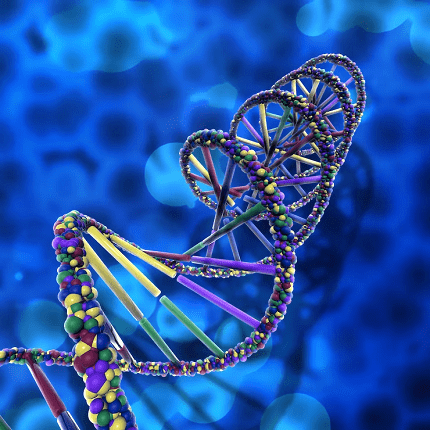
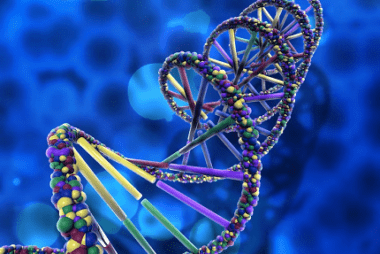
DNA Replication DNA replication is a fundamental process that occurs in all living organisms. It is the process by which a cell makes an identical copy of its DNA. DNA replication is crucial for the transmission of genetic information from one generation to the next during cell division. The process of DNA replication involves several…
Integrated Course AIIMS-SYLLABUS Biology syllabus Double fertilization

Double fertilization Double fertilization is a reproductive process that occurs in flowering plants (angiosperms). It involves the fusion of two sperm cells with two different female gametes within the ovule. This process is unique to angiosperms and plays a crucial role in their reproductive success. Here are the key steps involved in double fertilization: By…

Integrated Course AIIMS-SYLLABUS Biology syllabus Sporulation

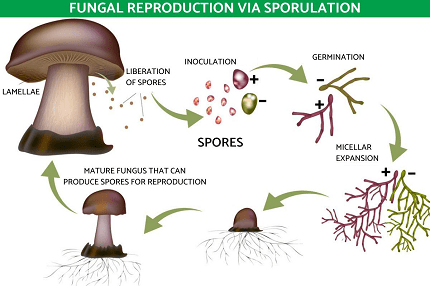
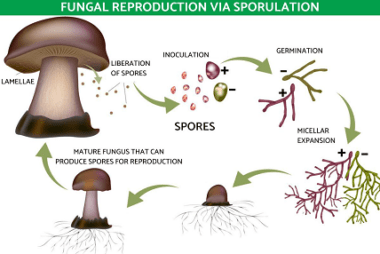
Sporulation Sporulation is the process of forming spores, which are specialized reproductive structures that enable certain organisms to survive unfavorable conditions. Sporulation is observed in various groups of organisms, including bacteria, fungi, and some plants. In general, sporulation involves the following steps: Initiation: Sporulation is triggered by specific environmental cues such as nutrient depletion, changes…

Integrated Course AIIMS-SYLLABUS Chemistry syllabus Iron

Iron Iron is a chemical element with the symbol Fe and atomic number 26. It is one of the most abundant elements on Earth and plays a crucial role in various biological processes. Here are some key points about iron: The Chemistry syllabus for the Integrated Course at AIIMS (All India Institute of Medical Sciences)…

Integrated Course AIIMS-SYLLABUS Chemistry syllabus Brownian movement

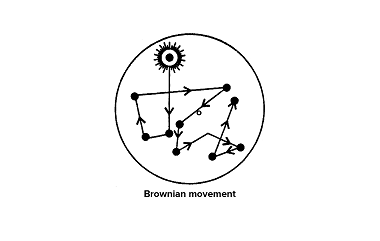
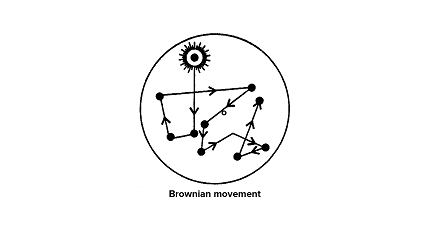
Brownian movement Brownian movement, also known as Brownian motion, refers to the random motion of microscopic particles suspended in a fluid (liquid or gas). It was first observed by the Scottish botanist Robert Brown in 1827 while studying pollen grains suspended in water. The movement is named after him. Here are some key points about…

Integrated Course AIIMS-SYLLABUS Chemistry syllabus Adsorption

Adsorption Adsorption is a process where molecules, ions, or particles adhere to the surface of a solid or liquid. It involves the accumulation of a substance at the interface between two phases, such as a solid-gas or liquid-gas interface. The substance being adsorbed is called the adsorbate, and the surface or material on which it…

Integrated Course AIIMS-SYLLABUS Chemistry syllabus Catalyst

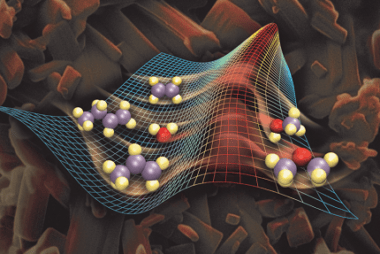
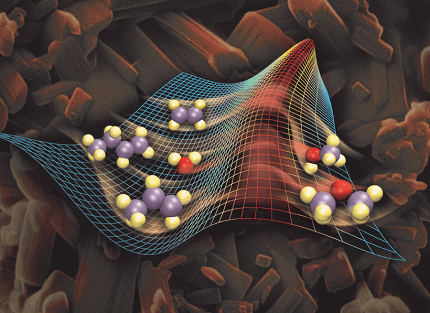
Catalyst A catalyst is a substance that increases the rate of a chemical reaction without being consumed in the process. It works by providing an alternative pathway with lower activation energy, allowing the reaction to occur more readily. Catalysts play a crucial role in many industrial processes and are also significant in biological systems. Here…

Integrated Course AIIMS-SYLLABUS Chemistry syllabus Standard electrode potential

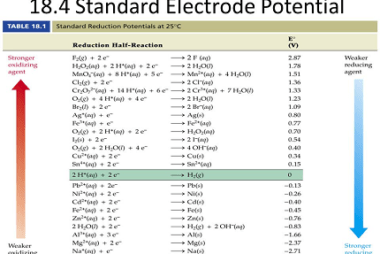
Standard electrode potential Standard electrode potential, often denoted as E°, is a measure of the relative tendency of a half-cell in an electrochemical cell to undergo reduction or oxidation compared to a standard reference electrode. It represents the potential difference between the half-cell and the standard hydrogen electrode (SHE) under standard conditions. The standard electrode…

Integrated Course AIIMS-SYLLABUS Chemistry syllabus Laws of electrolysis

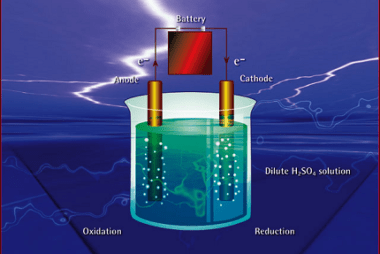
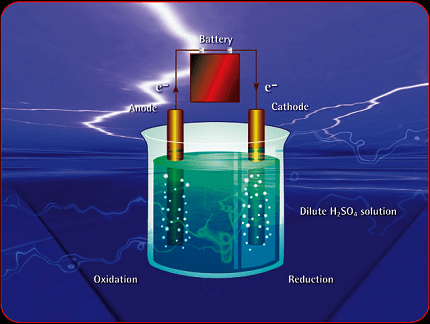
Laws of electrolysis The AIIMS (All India Institute of Medical Sciences) entrance exam is a prestigious medical entrance examination in India. While I can provide you with information on the topic of “Laws of Electrolysis” in the Chemistry syllabus, it’s important to note that the syllabus for the AIIMS entrance exam may vary from year…

Integrated Course AIIMS-SYLLABUS Chemistry syllabus Electrolytic solutions

Electrolytic solutions Electrolytic solutions are solutions that contain ions and can conduct electricity. They are formed by dissolving electrolytes, which are substances that dissociate into ions when dissolved in a solvent, typically water. The ions in the solution are responsible for the electrical conductivity. In an electrolytic solution, there are two types of ions present:…