Vrindawan Coaching Center

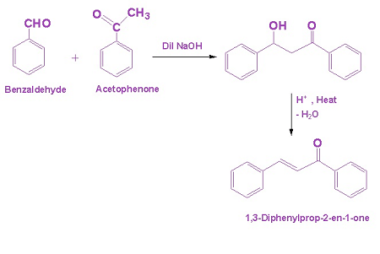
Aldol Condensation

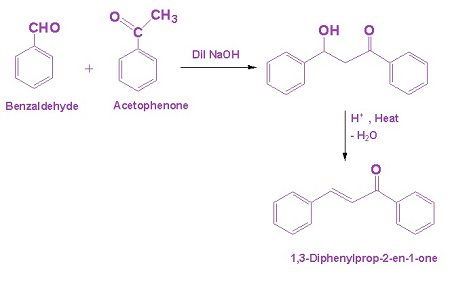
Aldol condensation is a type of organic reaction that involves the condensation of two carbonyl compounds, usually an aldehyde and a ketone, to form a β-hydroxy carbonyl compound, also known as an aldol. The word “aldol” is a combination of “aldehyde” and “alcohol”. The reaction typically requires a base catalyst, such as sodium hydroxide, to…
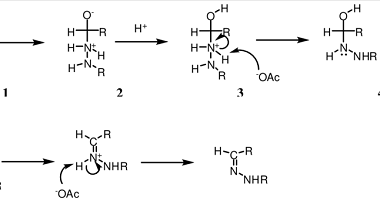
Hydrazone 7 formation

Hydrazone 7 is a compound that can be synthesized through the formation of a hydrazone bond between two functional groups. Specifically, hydrazone 7 refers to a hydrazone compound containing a 2,4-dinitrophenyl group at one end and a pyridyl group at the other end. The general method for synthesizing hydrazones involves the reaction of a hydrazine…

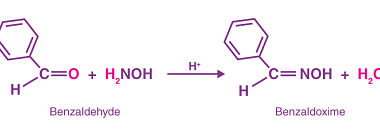
Oxime

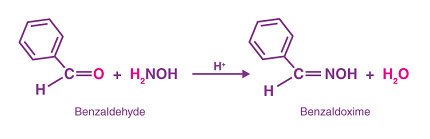
An oxime is a chemical compound that contains a nitrogen atom connected to a carbon atom via a double bond (C=N-OH). Oximes are typically formed by the reaction of aldehydes or ketones with hydroxylamine. They are important intermediates in organic synthesis and are used in a variety of applications, including as reagents in analytical chemistry,…

Reduction

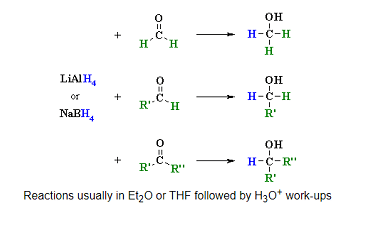
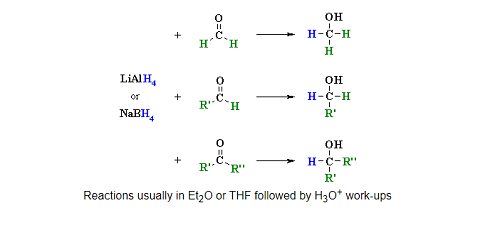
Reduction of aldehydes and ketones is a common reaction in organic chemistry. The most commonly used reducing agents for this purpose are sodium borohydride (NaBH4) and lithium aluminum hydride (LiAlH4). Reduction of aldehydes: Aldehydes can be reduced to primary alcohols using either NaBH4 or LiAlH4 in the presence of an acid catalyst such as HCl.…

Reactions: Oxidation

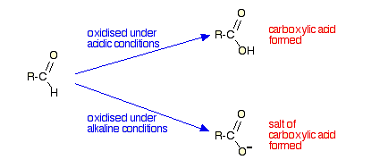
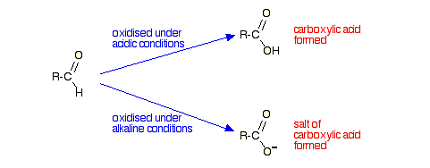
Oxidation is a type of chemical reaction that involves the loss of electrons or an increase in oxidation state of an atom, ion or molecule. It can occur in a variety of contexts, including combustion reactions, metabolic processes, and corrosion. In general, oxidation reactions are characterized by the transfer of electrons from a reducing agent…

Benzaldehyde from Toluene and Benzene

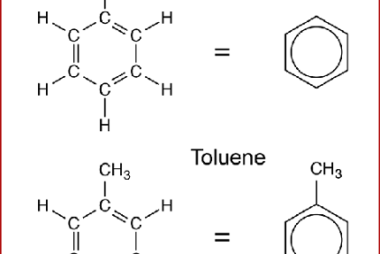
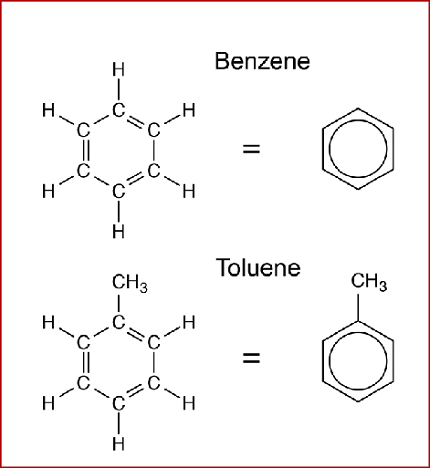
Benzaldehyde can be synthesized from toluene or benzene using the following steps: The overall reaction can be represented as follows: Toluene/Benzene + Oxidizing Agent → Benzyl Alcohol → Oxidizing Agent → Benzaldehyde Note that this reaction requires careful handling of strong oxidizing agents, which can be dangerous if not handled properly. It is recommended to…

Nitriles

Aldehydes and ketones are organic compounds that contain a carbonyl group, which is a carbon atom double-bonded to an oxygen atom. In aldehydes, the carbonyl group is at the end of a carbon chain, whereas in ketones, it is in the middle. Nitriles, also known as cyano compounds, are organic compounds that contain a triple…

Ketones from acid chlorides

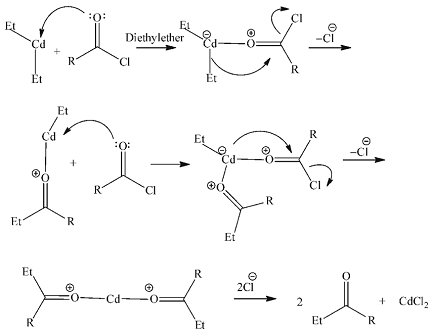
Ketones can be synthesized from acid chlorides through a reaction called Friedel-Crafts acylation. This reaction involves the reaction of an acid chloride with a Lewis acid catalyst, such as aluminum chloride (AlCl3), to form an acylium ion intermediate. The acylium ion then undergoes a nucleophilic attack by an arene, which leads to the formation of…

Preparation of: Aldehydes

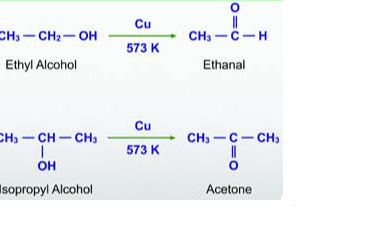
Aldehydes can be prepared by several methods. Some of the commonly used methods are: These are some of the methods used for the preparation of aldehydes. What is Required Preparation of: Aldehydes The required preparation of aldehydes depends on the method being used for their synthesis. However, some common laboratory equipment and reagents that may…

C-O bond cleavage reactions

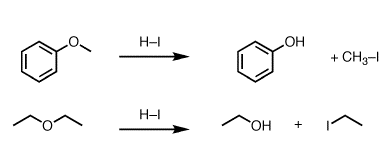
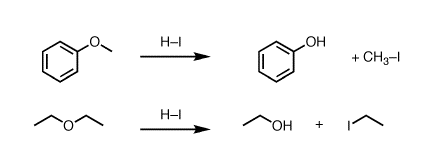
C-O bond cleavage reactions involve breaking the bond between a carbon atom and an oxygen atom in a molecule. These reactions can occur through a variety of mechanisms, including homolytic cleavage, heterolytic cleavage, and acid-catalyzed cleavage. Homolytic cleavage occurs when the bond between carbon and oxygen is broken evenly, with each atom receiving one of…