Vrindawan Coaching Center

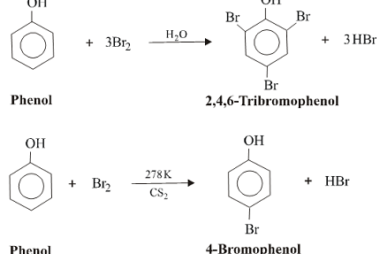
Halogenation

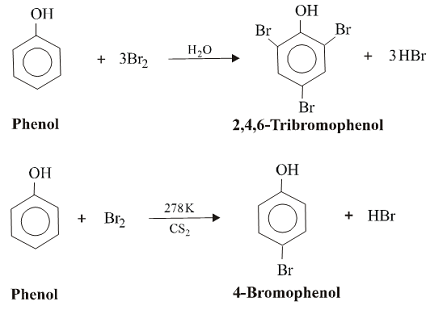
Halogenation of phenols involves the substitution of one or more hydrogen atoms on the phenolic ring with a halogen atom such as chlorine, bromine or iodine. The reaction is typically carried out in the presence of a Lewis acid catalyst such as iron(III) chloride or aluminum trichloride to increase the electrophilicity of the halogen. The…
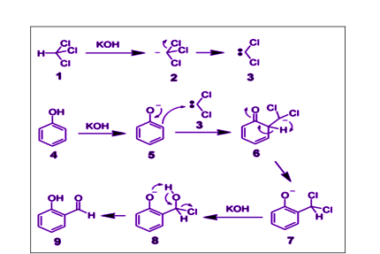
Electrophilic substitution reactions of phenol

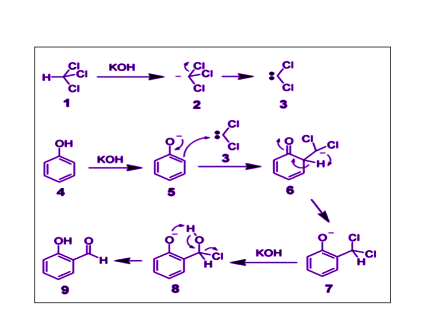
Phenol undergoes electrophilic substitution reactions due to the presence of the electron-rich aromatic ring and the electron-withdrawing effect of the hydroxyl group. Here are some examples of electrophilic substitution reactions of phenol: What is Required Electrophilic substitution reactions of phenol For electrophilic substitution reactions of phenol to occur, the following conditions are required: Overall, electrophilic…

Preparation

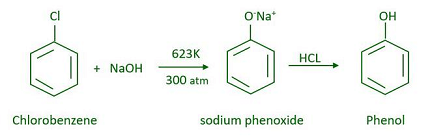
Phenols can be prepared through various methods. Here are some common methods: These are just some of the methods that can be used to prepare phenols. The choice of method will depend on the starting material and the desired product. What is Required Phenols Preparation The requirements for preparing phenols can vary depending on the…

Physical properties

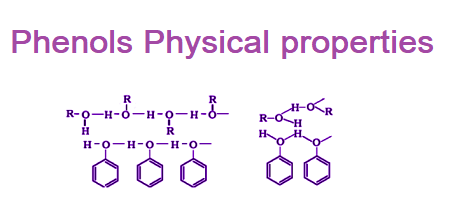
Phenols are a class of organic compounds that contain a hydroxyl group (-OH) attached to an aromatic ring. They have unique physical and chemical properties due to the presence of the hydroxyl group. Here are some of the physical properties of phenols: What is Required Phenols Physical properties I assume you are asking about the…

Effect of directing groups (monosubstituted benzene) in these reactions

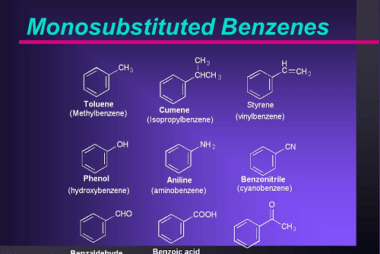
The effect of directing groups in reactions of monosubstituted benzene depends on the type of reaction being considered. In summary, directing groups play an important role in the reactivity and selectivity of reactions involving monosubstituted benzene. What is Required Effect of directing groups (monosubstituted benzene) in these reactions The effect of directing groups in reactions…

Friedel Crafts alkylation and acylation

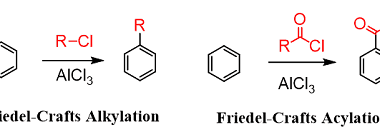
Friedel-Crafts alkylation and acylation are two important organic reactions used to attach an alkyl or acyl group to an aromatic ring. Friedel-Crafts alkylation involves the reaction of an alkyl halide with an aromatic ring in the presence of a Lewis acid catalyst such as aluminum trichloride (AlCl3) or ferric chloride (FeCl3). The mechanism involves the…

Sulphonation

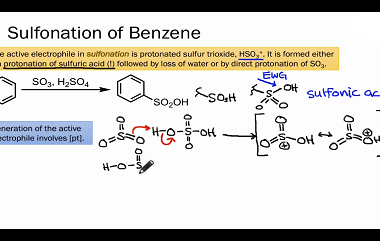
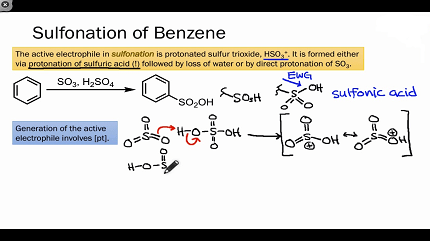
Benzene sulphonation is a chemical reaction that involves the substitution of a hydrogen atom on the benzene ring with a sulfonic acid (-SO3H) group. This reaction is an important industrial process used to produce a variety of organic compounds, including detergents, dyes, and pharmaceuticals. The reaction typically involves treating benzene with concentrated sulfuric acid (H2SO4)…

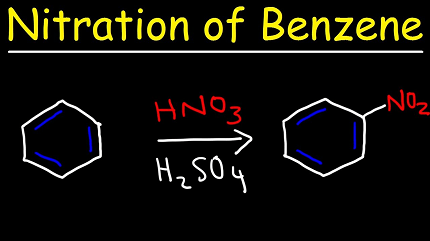
Nitration

Benzene nitration is a chemical reaction in which a nitro group (-NO2) is introduced into the benzene molecule. This reaction is an important industrial process and is used to produce a variety of chemical compounds, such as explosives, dyes, and pharmaceuticals. The nitration of benzene is typically carried out by treating benzene with a mixture…

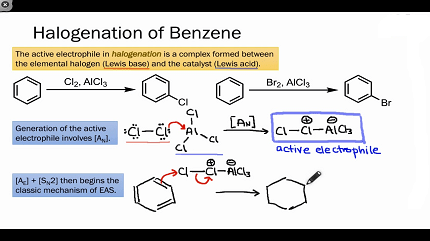
Halogenation

Halogenation of benzene refers to the substitution of one or more hydrogen atoms in a benzene ring with halogen atoms such as chlorine or bromine. The reaction is typically carried out in the presence of a halogen carrier such as iron or aluminum chloride, which helps activate the halogen and facilitate the substitution reaction. The…

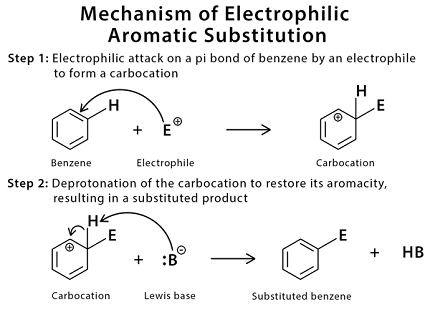
Electrophilic substitution reactions

Benzene undergoes electrophilic substitution reactions due to its electron-rich nature. The pi electrons of the aromatic ring form a cloud of electron density above and below the plane of the ring, making it susceptible to attack by electrophiles. Some of the common electrophilic substitution reactions of benzene are: What is Required Benzene Electrophilic substitution reactions…