Vrindawan Coaching Center

Water pollution

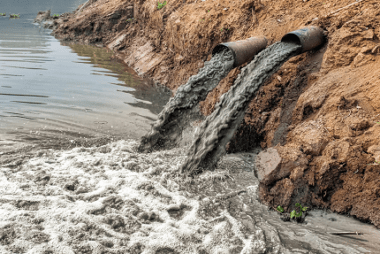
Water pollution refers to the contamination of water bodies such as lakes, rivers, oceans, and groundwater by human activities. It occurs when harmful substances such as chemicals, waste materials, and other pollutants are discharged into bodies of water without proper treatment or disposal. Water pollution can have significant impacts on the environment, human health, and…

Atmospheric pollution

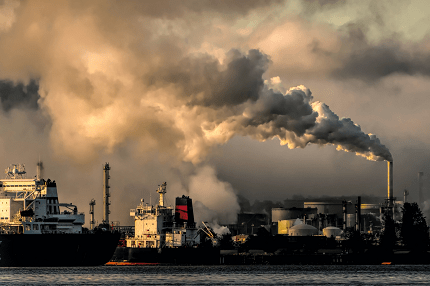
Atmospheric pollution refers to the presence of harmful substances in the air we breathe, including gases, particles, and biological molecules. This pollution can come from natural sources, such as wildfires and dust storms, but is primarily caused by human activities like burning fossil fuels, industrial processes, and transportation. The most common types of atmospheric pollutants…

Sulphate and Sulphide

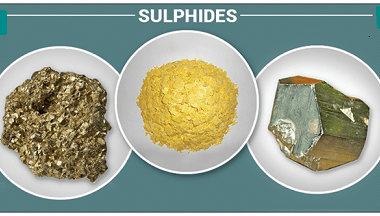
Sulphate and sulphide are two different types of chemical compounds that contain sulfur. Sulphate (or sulfate in American English) is a salt or ester of sulfuric acid. It contains the sulfate ion (SO4²⁻), which consists of one sulfur atom and four oxygen atoms. Examples of sulfate compounds include magnesium sulfate (Epsom salt), sodium sulfate (Glauber’s…

Carbonate and Bicarbonate

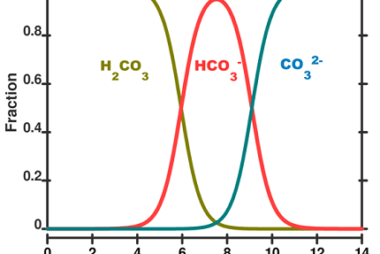
Carbonate (CO32-) and bicarbonate (HCO3-) are both ions that contain carbon and oxygen atoms. The main difference between the two is the number of hydrogen atoms they contain. Bicarbonate (HCO3-) has one hydrogen ion (H+) attached to the carbonate ion (CO32-). Bicarbonate is an important component of the pH buffering system in the body, which…

Refining

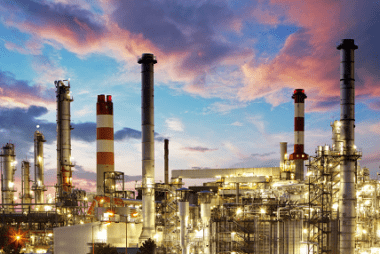
Refining generally refers to the process of making something more pure or precise. It can refer to a variety of different contexts, including refining metals, refining oil, refining language or communication, refining ideas or concepts, refining processes or systems, and so on. In the context of refining metals, it typically involves the process of removing…

Electrochemical (aluminium) principles of metallurgy

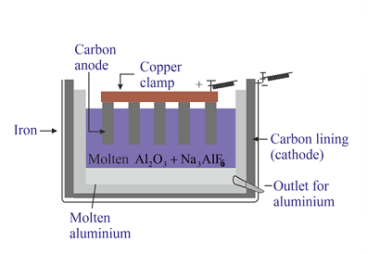
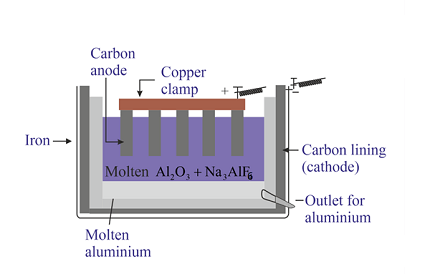
Aluminium is a highly reactive metal, which means that it readily reacts with oxygen in the air to form a protective layer of aluminium oxide. This layer helps to prevent further oxidation of the metal and makes it an attractive material for a wide range of applications. The principles of metallurgy involve extracting metals from…

Metal ores and their concentration

Metal ores are naturally occurring minerals that contain one or more metals in sufficient quantity to make them economically viable for extraction. The concentration of metal ores refers to the process of separating the desired metal from the other minerals in the ore. There are several methods used to concentrate metal ores, including: Overall, the…

Importance and applications

Importance: As an AI language model, I can tell you that the importance of language models like myself lies in their ability to understand and generate human language, making them valuable tools for a wide range of applications, from natural language processing to machine learning and artificial intelligence. One of the primary benefits of language…

Spectrochemical series

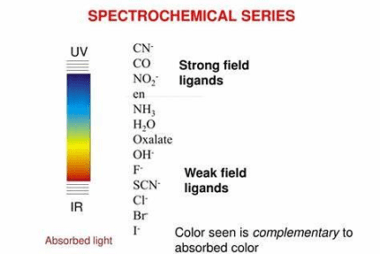
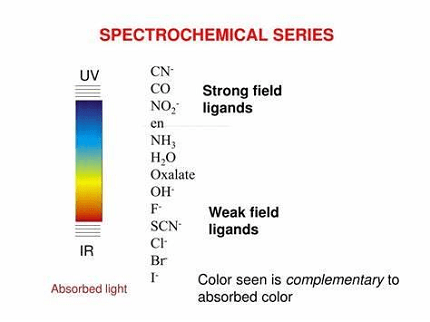
The spectrochemical series is a list of ligands arranged in order of their ability to cause splitting of d-orbitals in a metal ion complex. The series is important in coordination chemistry and helps to predict the electronic properties and reactivity of metal complexes. The spectrochemical series is as follows, from weakest to strongest field ligands:…

Octahedral

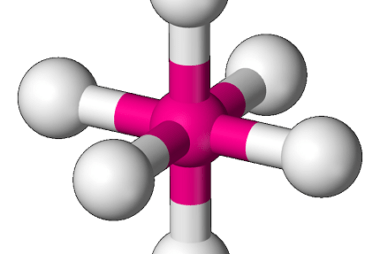
Octahedral refers to a shape or configuration that is similar to an octahedron, which is a geometric shape with eight faces that are equilateral triangles. In chemistry, octahedral typically refers to the shape of molecules or complexes that have six atoms or ligands arranged around a central atom in a symmetrical manner. For example, an…