Vrindawan Coaching Center

Antifertility drugs

Antifertility drugs are medications or substances that are used to prevent or reduce the likelihood of pregnancy. There are several different types of antifertility drugs, including hormonal contraceptives, emergency contraceptives, and male and female sterilization methods. It is important to consult with a healthcare provider to determine the most appropriate form of antifertility drug for…

Tranquilizers

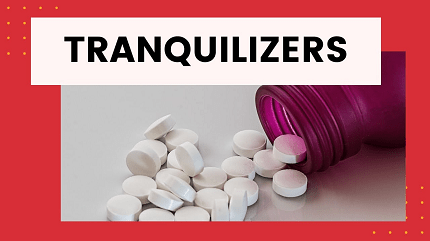
Tranquilizers, also known as sedatives, are a class of drugs that are used to reduce anxiety, induce relaxation, and sometimes to aid with sleep. They work by depressing the central nervous system, which slows down brain activity and results in a feeling of calmness and drowsiness. There are several different types of tranquilizers, including benzodiazepines…

Antacids

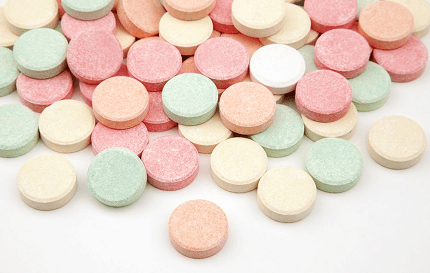
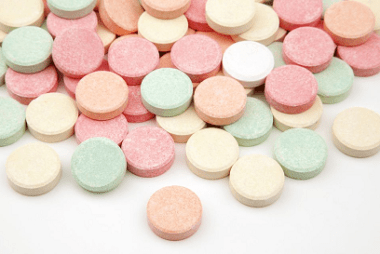
Antacids are medications that are used to help neutralize excess acid in the stomach. They work by reducing the acidity of stomach acid, which can help relieve symptoms of heartburn, acid reflux, and indigestion. Antacids come in a variety of forms, including tablets, liquids, and chewable tablets. They contain various ingredients such as calcium carbonate,…

Drug-target Interaction

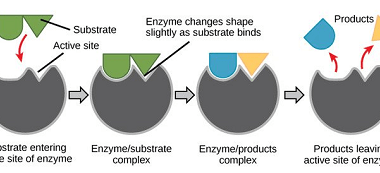
Drug-target interaction refers to the relationship between a drug and its target molecule in the body, such as a receptor or enzyme. A drug must bind to its target in order to produce a therapeutic effect, and the strength and specificity of this interaction can determine the drug’s efficacy and safety. When a drug binds…

Applications of polymers

Polymers are a diverse group of materials with many applications in various industries. Some of the common applications of polymers are: Overall, polymers have a wide range of applications in many industries, making them a crucial material in the modern world. What is Required Applications of polymers The required applications of polymers depend on the…

Bio-degradable polymers

Biodegradable polymers are types of plastic materials that can be broken down by microorganisms into natural substances such as water, carbon dioxide, and compost. Unlike traditional plastics that can persist in the environment for hundreds of years, biodegradable polymers are designed to degrade relatively quickly, often within a few months to a few years. There…

Bakelite

Bakelite is a type of thermosetting plastic that was invented in 1907 by Belgian-born chemist Leo Baekeland. It was the first synthetic plastic ever created, and it quickly became popular due to its durability, heat resistance, and electrical insulating properties. Bakelite is made by combining phenol and formaldehyde under heat and pressure. The resulting material…

Homo and Copolymers

Homo and copolymers are types of polymers, which are large molecules made up of repeating subunits called monomers. The main difference between homo and copolymers lies in the composition of the monomers. A homopolymer is a polymer made up of only one type of monomer. For example, polyethylene is a homopolymer made up of repeating…

Types of polymerization (Addition, Condensation)

Polymerization is the process of combining small molecules known as monomers to form a polymer. There are two main types of polymerization: addition polymerization and condensation polymerization. Examples of addition polymers include polyethylene, polypropylene, polyvinyl chloride (PVC), and polystyrene. Examples of condensation polymers include nylon, polyester, and polyurethane. In general, addition polymerization tends to produce…

Structure of DNA and RNA

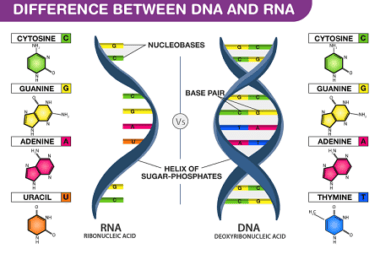
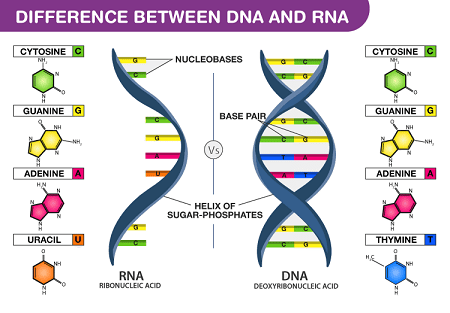
DNA (deoxyribonucleic acid) and RNA (ribonucleic acid) are the two types of nucleic acids that are found in all living organisms. They play a critical role in storing, transmitting, and expressing genetic information. The structure of DNA is a double helix, consisting of two complementary strands of nucleotides. A nucleotide is composed of a nitrogenous…