Vrindawan Coaching Center

Group 13 Reactivity towards acids

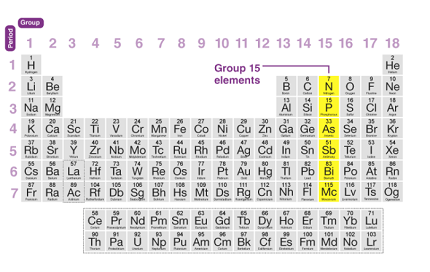
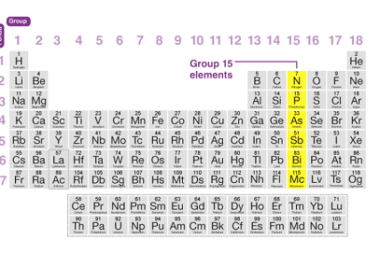
Group 13 elements in the periodic table include boron (B), aluminum (Al), gallium (Ga), indium (In), and thallium (Tl). In general, the reactivity of Group 13 elements towards acids increases down the group. Boron, being the least reactive element in the group, does not react with acids at room temperature. Aluminum, gallium, indium, and thallium…
Oxygen

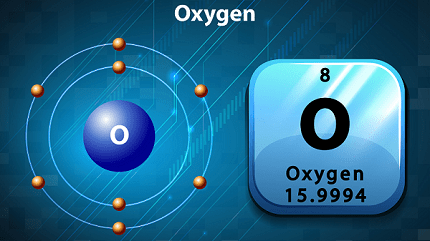
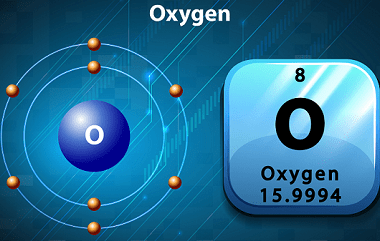
Oxygen is a chemical element with the symbol O and atomic number 8. It is a member of the chalcogen group on the periodic table, a highly reactive nonmetal, and an oxidizing agent that readily forms oxides with most elements as well as with other compounds. By mass, oxygen is the third-most abundant element in…

Oxidation state and trends in chemical reactivity of elements

The oxidation state of an element is the number of electrons that the atom has gained or lost when it forms a chemical bond with another atom. This number can be positive or negative, depending on whether the element has lost or gained electrons, respectively. The chemical reactivity of an element depends on its oxidation…

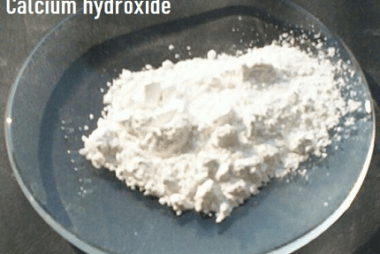
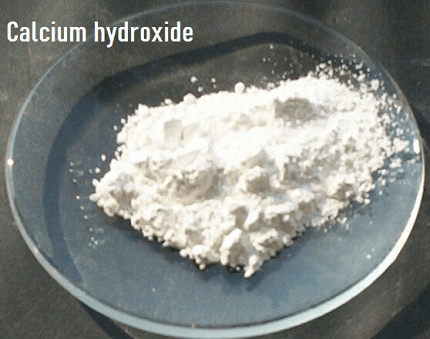
Calcium hydroxide

Calcium hydroxide, also known as slaked lime or hydrated lime, is a chemical compound with the chemical formula Ca(OH)2. It is a white, odorless powder that is sparingly soluble in water, forming a strong alkaline solution known as lime water. Calcium hydroxide is commonly used in various industrial applications, such as in the production of…

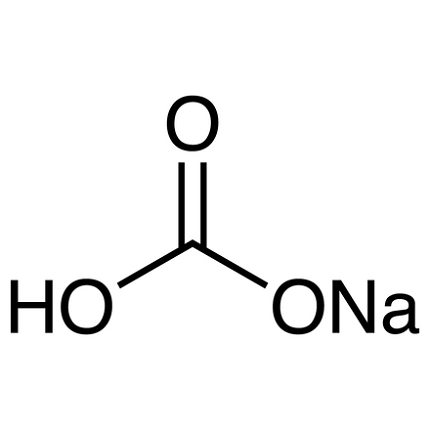
Sodium hydrogen carbonate

Sodium hydrogen carbonate, also known as sodium bicarbonate or baking soda, is a chemical compound with the molecular formula NaHCO3. It is a white crystalline powder that is soluble in water and has a slightly alkaline taste. Sodium hydrogen carbonate has a wide range of uses. It is commonly used as a leavening agent in…

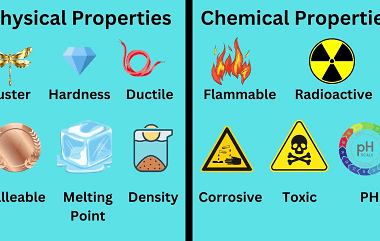
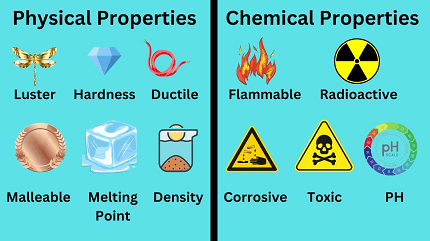
Properties

Properties refer to the characteristics or qualities of a thing or object that define its nature or identity. Some examples of properties include: What is Required Properties “Required properties” typically refers to properties that are essential or necessary for a particular object or system to function properly or fulfill its intended purpose. These properties may…

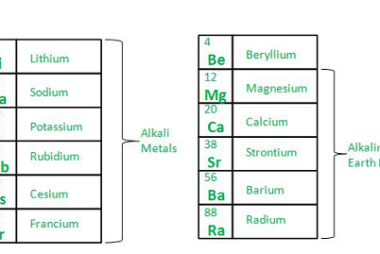
s-Block Elements Preparation

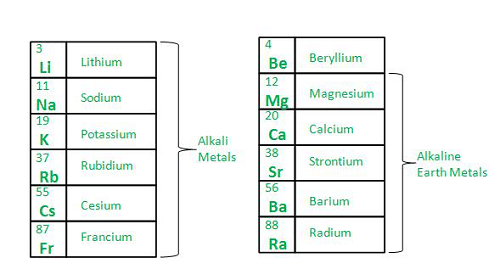
Great! Here are some tips for preparing for s-block elements: By following these tips and putting in consistent effort, you can prepare effectively for s-block elements and perform well on exams or assignments related to this topic. Good luck! What is Required s-Block Elements Preparation To prepare well for s-block elements, you will need to…

Anomalous behaviour of lithium and beryllium

Lithium and beryllium exhibit anomalous behavior due to their small size and unique electronic configurations. Lithium is the lightest metal and has a very low melting and boiling point compared to other metals. It is also the only metal that can float on water. This is due to its low density and the fact that…

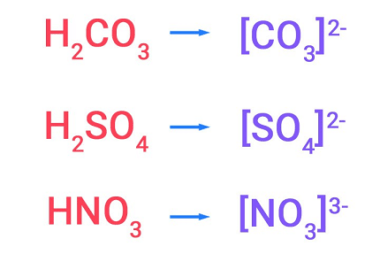
Salts of oxoacids

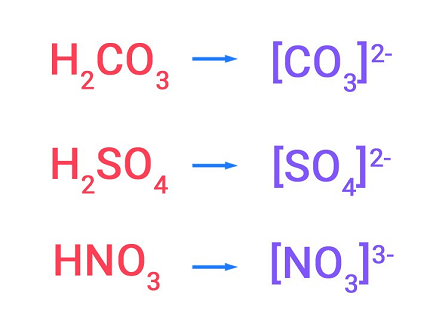
Salts of oxoacids are compounds formed by the reaction of an oxoacid with a base to produce a salt and water. Oxoacids are acids that contain oxygen, hydrogen, and at least one other element, and they typically have the general formula HmXOn, where X represents a nonmetallic element and m and n are integers. When…

Hydrogen as a fuel

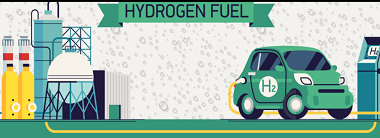
Hydrogen can be used as a fuel in a variety of ways, including as a fuel for vehicles, as a source of electricity in fuel cells, and as a feedstock for industrial processes. The appeal of hydrogen as a fuel lies in its abundance, renewability, and high energy content. When used in fuel cell vehicles,…