Vrindawan Coaching Center

Hydrogen peroxide-preparation

Hydrogen peroxide is a commonly used disinfectant and bleaching agent. It can be prepared by the following method: Note: It’s important to handle hydrogen peroxide with care as it can be corrosive and cause skin irritation or burns. Be sure to follow all safety precautions and properly dispose of any unused solution. What is Required…

Heavy water

Heavy water (deuterium oxide) is a form of water that contains a higher proportion of the isotope deuterium (D, or 2H) than regular water. Deuterium is an isotope of hydrogen that has an additional neutron in its nucleus, making it twice as heavy as the most common hydrogen isotope, protium (1H). Heavy water can be…

Preparation Hydrogen

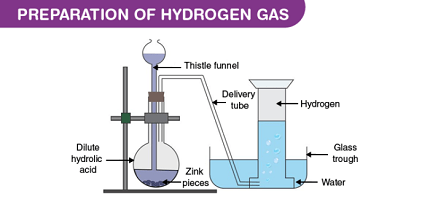
Hydrogen is the first element in the periodic table and is the lightest and most abundant element in the universe. It is a colorless, odorless, and tasteless gas at room temperature and is highly flammable. There are several ways to prepare hydrogen gas, but here are two common methods: This method involves passing an electric…

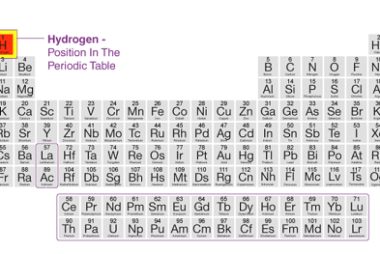
Position of hydrogen in periodic table

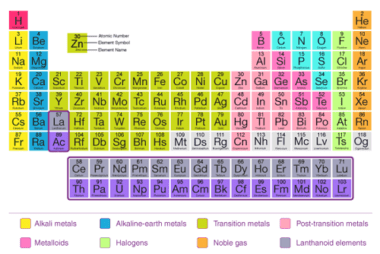
Hydrogen is a chemical element with the symbol H and atomic number 1. It is the first element in the periodic table and belongs to the non-metal group. Hydrogen is unique because it has only one electron and can lose or gain an electron to form either a positive ion (H+) or a negative ion…

Valence

Valence is a term used in psychology to describe the emotional content or “positive” or “negative” quality of an individual’s experience, affect or mood. In simpler terms, valence refers to how pleasant or unpleasant an experience or emotion is. Valence is typically measured on a continuum, with positive experiences or emotions (such as joy, happiness,…

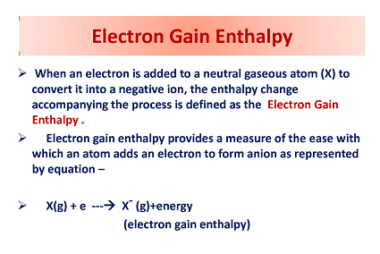
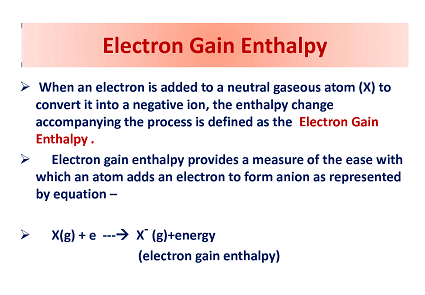
Electron gain enthalpy

Electron gain enthalpy, also known as electron affinity, is a measure of the energy change that occurs when an atom or molecule gains an electron. It is defined as the enthalpy change that occurs when a neutral gaseous atom gains an extra electron to form a negatively charged ion. The electron gain enthalpy is generally…

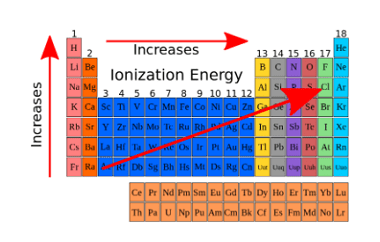
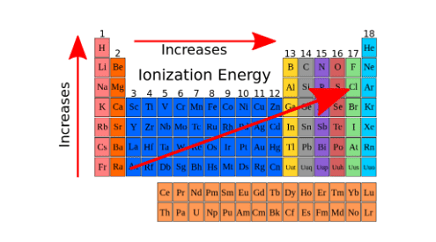
Ionization enthalpy

Ionization enthalpy, also known as ionization energy, is the amount of energy required to remove one electron from an isolated gaseous atom or ion in its ground state. It is a measure of the tendency of an atom or ion to lose an electron. The first ionization enthalpy is the energy required to remove the…

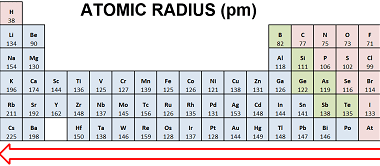
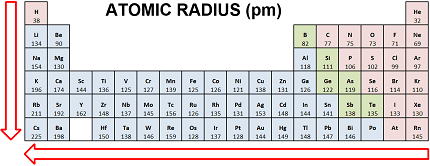
Periodic trends in atomic radius

Atomic radius is defined as half the distance between the nuclei of two identical atoms that are bonded together. The size of an atom can be influenced by several factors, including the number of protons in the nucleus, the number of electrons in the atom’s outermost energy level, and the amount of electron shielding provided…

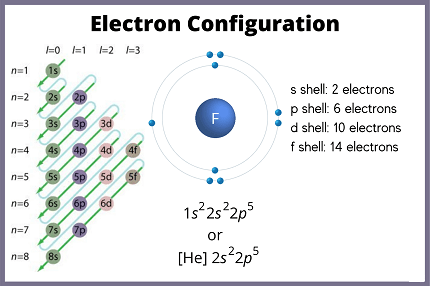
Electronic configuration of elements

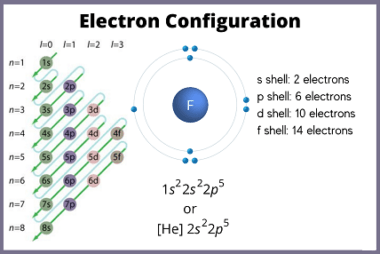
Here are the electronic configurations of the first 36 elements in the periodic table: What is Required Electronic configuration of elements The electronic configuration of an element refers to the arrangement of its electrons in the atomic orbitals of its atoms. This is usually represented using a notation that lists the occupied atomic orbitals and…

Modern periodic law and the present form of periodic table

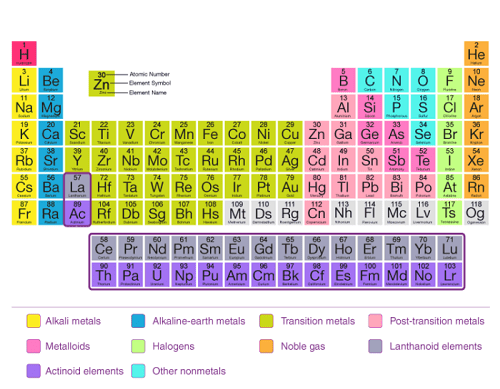
The modern periodic law states that the properties of elements are periodic functions of their atomic numbers. This means that when elements are arranged in order of increasing atomic number, there is a periodic repetition of their chemical and physical properties. The present form of the periodic table is based on the modern periodic law…