Vrindawan Coaching Center

Nucleophilic substitution reactions

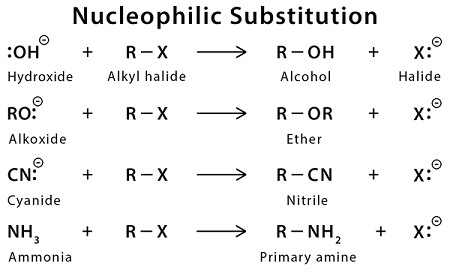
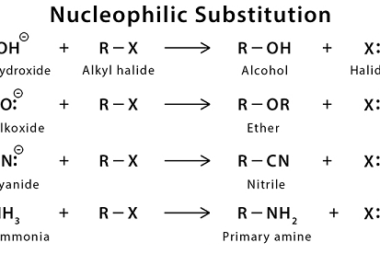
Nucleophilic substitution reactions are a type of organic reaction in which a nucleophile (a species with a lone pair of electrons) attacks an electrophilic center and replaces a leaving group. These reactions are typically observed in organic chemistry and are fundamental to many important organic reactions. The general mechanism for a nucleophilic substitution reaction involves…

Grignard reactions

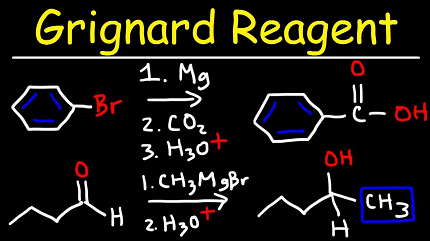
Grignard reactions are a class of organic reactions that involve the addition of an organomagnesium halide (a Grignard reagent) to a carbonyl group in an organic compound. The reaction was discovered by French chemist François Auguste Victor Grignard in 1900, and he was awarded the Nobel Prize in Chemistry in 1912 for this work. Grignard…

Rearrangement reactions of alkyl carbocation

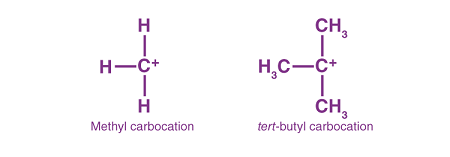
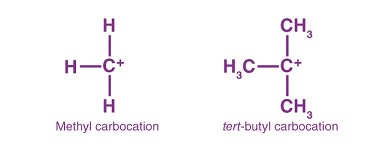
Rearrangement reactions of alkyl carbocations refer to the conversion of one type of carbocation into another via migration of an alkyl group or a hydrogen atom from an adjacent carbon atom. These reactions are common in organic chemistry and are important in the synthesis of various organic compounds. The most common type of rearrangement reaction…

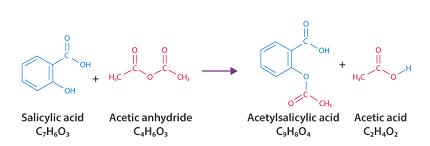
Aspirin synthesis

Aspirin, also known as acetylsalicylic acid, can be synthesized from salicylic acid and acetic anhydride. Here are the steps for the synthesis of aspirin: Materials: Equipment: Steps: Note: Aspirin synthesis involves the use of hazardous chemicals and should only be performed under appropriate laboratory conditions with proper safety precautions. What is Required Phenols Aspirin synthesis…

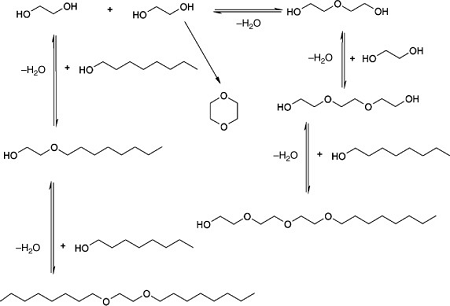
Etherification

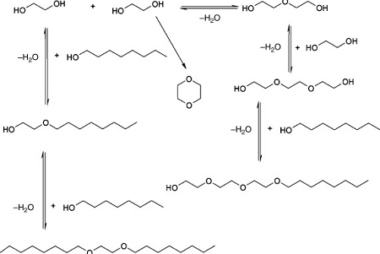
Etherification is a chemical reaction in which an alcohol (such as ethanol or methanol) reacts with a carboxylic acid (such as acetic acid) or a derivative of a carboxylic acid (such as an acid anhydride or an ester) to form an ether (such as ethyl acetate). The reaction typically involves the removal of a water…

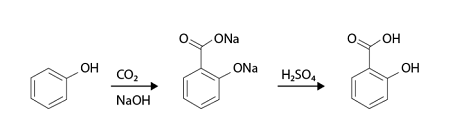
Kolbe reaction

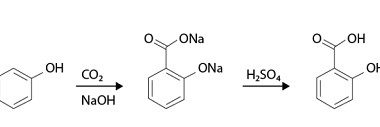
The Kolbe reaction, also known as the Kolbe electrolysis or Kolbe-Schmitt reaction, is a chemical reaction in which a carboxylic acid is produced by the electrolysis of a solution of its salts, primarily the sodium or potassium salts. The reaction was discovered by Hermann Kolbe in 1845. In the Kolbe reaction, an alkali metal salt…

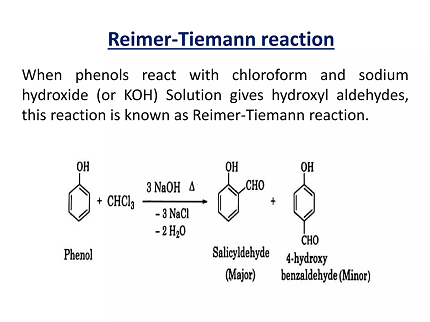
Reimer-Tiemann reaction

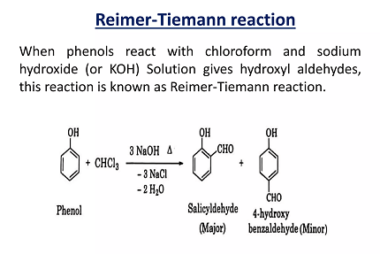
The Reimer-Tiemann reaction is a chemical reaction used to convert phenols into salicylaldehydes or salicylates. The reaction involves the use of chloroform, sodium hydroxide, and a phenol. The mechanism of the reaction involves the formation of a carbonyl intermediate, which is then hydrolyzed to produce the final product. The reaction proceeds as follows: The Reimer-Tiemann…

Sulphonation

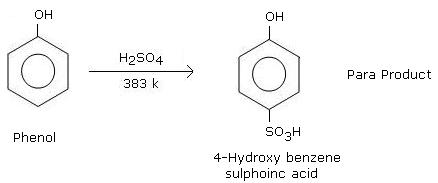
Phenols can be sulphonated by treating them with a mixture of concentrated sulphuric acid and fuming sulphuric acid (oleum). The process involves the substitution of a hydrogen atom on the phenolic ring with a sulphonate (SO3H) group. The sulphonation of phenols is an important reaction in organic chemistry and has several industrial applications, including the…

Nitration

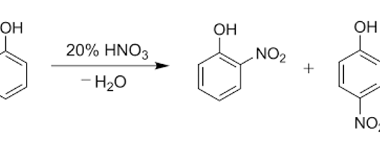
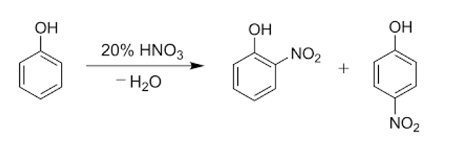
Nitration of phenols refers to the chemical reaction in which one or more nitro groups (-NO2) are introduced into a phenol molecule. The nitration of phenols is an important reaction in organic chemistry, as it is used to synthesize a wide range of compounds, including explosives, dyes, and pharmaceuticals. The nitration of phenols is typically…

Halogenation

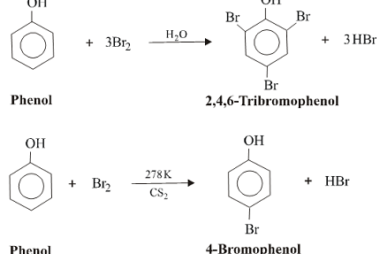
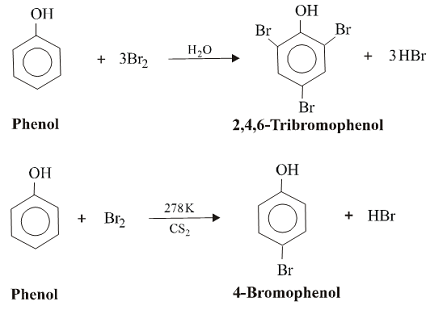
Halogenation of phenols involves the substitution of one or more hydrogen atoms on the phenolic ring with a halogen atom such as chlorine, bromine or iodine. The reaction is typically carried out in the presence of a Lewis acid catalyst such as iron(III) chloride or aluminum trichloride to increase the electrophilicity of the halogen. The…