Vrindawan Coaching Center

Reduction of Alkenes and Alkynes

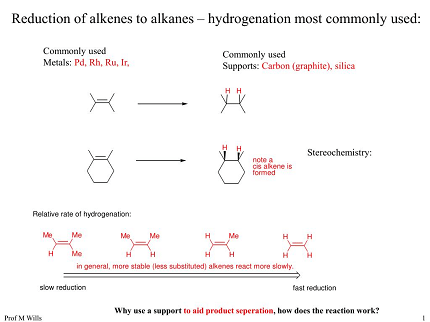
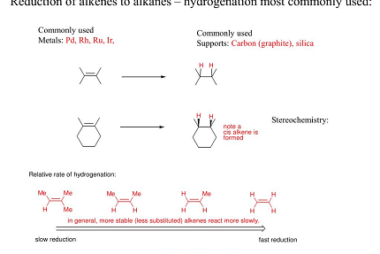
Reduction of alkenes and alkynes involves the addition of hydrogen atoms to the carbon-carbon double or triple bond, respectively. This process is known as hydrogenation and can be accomplished through several methods. One common method is catalytic hydrogenation, which involves the use of a catalyst, such as platinum or palladium, to promote the reaction. The…
Reactions of alkenes with KMnO4 and Ozone

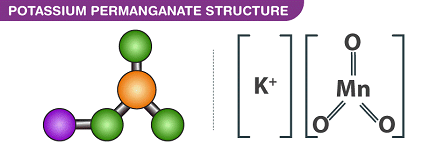
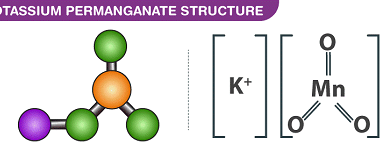
Alkenes can undergo different reactions with KMnO4 (potassium permanganate) and ozone (O3) depending on the conditions and the type of alkene. When alkenes are treated with KMnO4 in the presence of acidic conditions, they can undergo oxidative cleavage, resulting in the formation of two carbonyl compounds (ketones or aldehydes) and a pair of manganese dioxide…

Metal acetylides

Metal acetylides are a class of inorganic compounds that consist of a metal atom or ion bound to one or more acetylide ligands. Acetylides are compounds containing the -C≡C^- anion, also known as the ethynide anion. Metal acetylides can be prepared by reacting a metal salt with an acetylene source, such as acetylene gas or…

Elimination

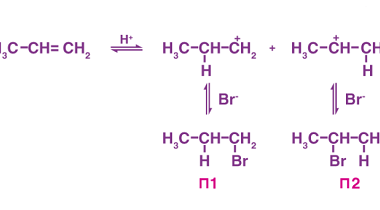
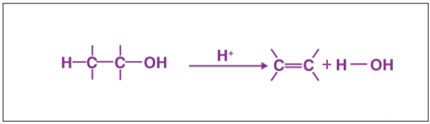
Elimination is the process of removing or getting rid of something or someone. It can refer to various contexts, such as: What is Required Alkenes and Alkynes Elimination Required alkenes and alkynes elimination refers to a type of organic reaction known as an elimination reaction, in which a molecule loses a small molecule, such as…

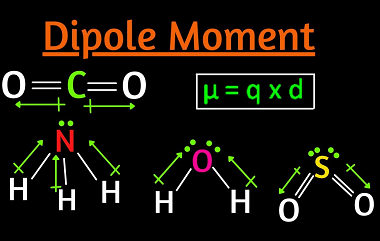
Dipole moments

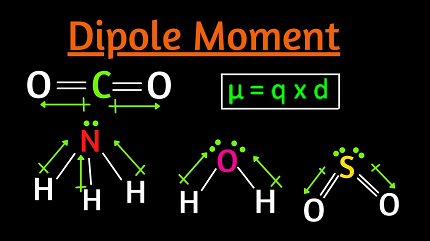
A dipole moment is a measure of the separation of electrical charge within a molecule or a polar covalent bond. It occurs when there is a separation of positive and negative charges within a molecule. The magnitude of the dipole moment is represented by the product of the charge and the distance between the charges.…

Density

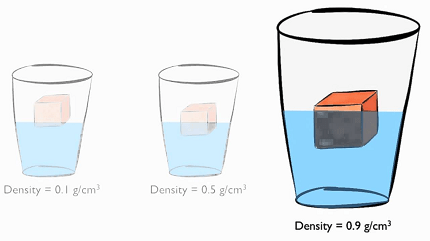
The density of alkenes and alkynes depends on the specific compound and its molecular weight, as well as the temperature and pressure at which it is measured. In general, alkenes and alkynes are less dense than water and most of them are gases or liquids at room temperature and pressure. However, some of them can…

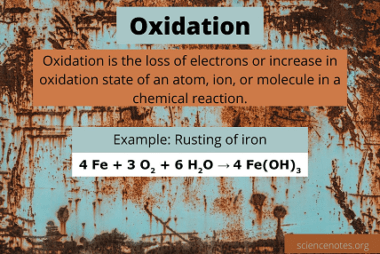
Oxidation

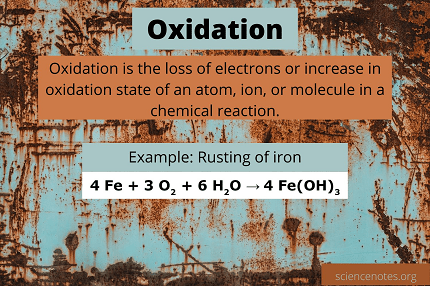
Oxidation is a chemical process in which a substance loses electrons. It is often defined as the process in which a substance reacts with oxygen to form an oxide. Oxidation reactions can also involve other elements, such as hydrogen or chlorine, and can occur without the presence of oxygen. In an oxidation reaction, the substance…

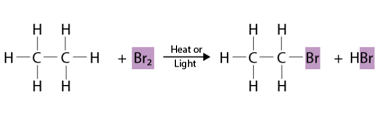
Halogenation

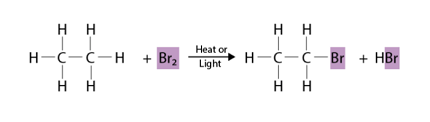
Halogenation refers to a chemical reaction in which a halogen atom (such as chlorine, bromine, or iodine) is introduced into a molecule. This can occur through several different types of reactions, including substitution, addition, and radical reactions. In a substitution reaction, a halogen atom replaces another atom or group of atoms in a molecule. For…

Preparation from alkyl halides

Alkyl halides can be used as starting materials for a wide variety of reactions and transformations. Here are a few examples of preparation methods for alkyl halides: These are just a few examples of preparation methods for alkyl halides. The choice of method will depend on the specific alkyl halide needed and the starting material…

Newman projections

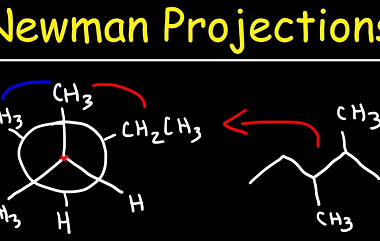
Newman projections are a way of representing the three-dimensional structure of a molecule in a two-dimensional form. They are commonly used in organic chemistry to show the relative orientation of atoms and functional groups in a molecule. A Newman projection is essentially a representation of the molecule as seen down the axis of a single…