Vrindawan Coaching Center

Group 13 Alums

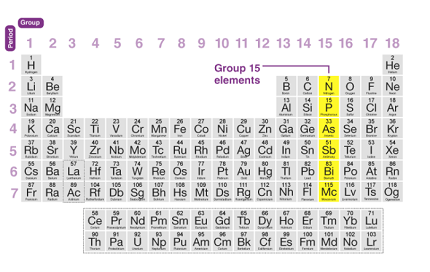
Group 13 of the periodic table consists of the elements boron (B), aluminum (Al), gallium (Ga), indium (In), and thallium (Tl). These elements are collectively known as the boron group or the aluminum group. Aluminum and some of the other elements in Group 13 can form alums, which are double sulfates that have the general…

Group 13 Boron trifluoride

Boron trifluoride (BF3) is a compound composed of one boron atom and three fluorine atoms. It belongs to the Group 13 elements in the periodic table, also known as the boron group. BF3 is a colorless gas at room temperature and pressure, with a pungent odor. It is highly reactive and has a trigonal planar…

Group 13 Diborane

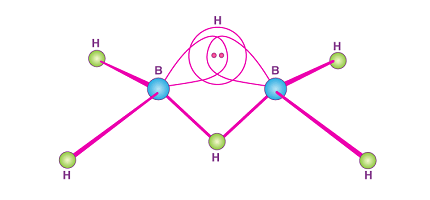
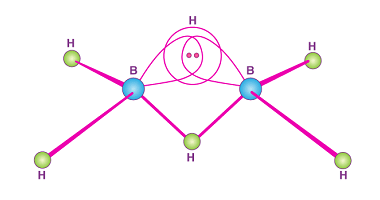
Diborane, also known as B2H6, is a chemical compound belonging to the group 13 elements in the periodic table. It is a highly reactive and unstable gas that is colorless, flammable, and toxic. Diborane has a molecular structure that consists of two boron atoms and six hydrogen atoms. The boron atoms are connected by a…

Group 13 Orthoboric acid

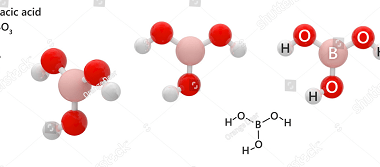
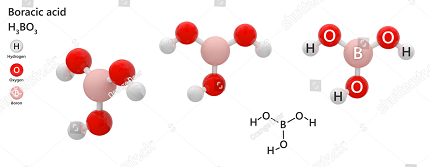
Orthoboric acid, also known as boracic acid or H3BO3, is a white, crystalline, weak acid that belongs to Group 13 of the periodic table. It is composed of boron, oxygen, and hydrogen atoms, with a chemical formula of H3BO3. Orthoboric acid is commonly used in the production of boron compounds, as a mild antiseptic, and…

Group 13 Properties

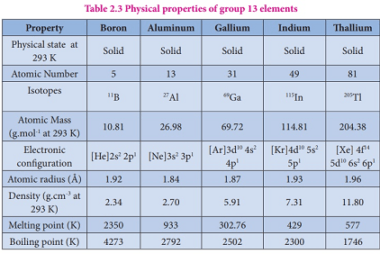
Group 13 of the periodic table consists of the following elements: boron (B), aluminum (Al), gallium (Ga), indium (In), and thallium (Tl). These elements have some similarities in their chemical and physical properties. Here are some of the properties of Group 13 elements: What is Required Group 13 Properties The required properties of Group 13…

Group 13 Preparation

Group 13 of the periodic table consists of Boron (B), Aluminum (Al), Gallium (Ga), Indium (In), and Thallium (Tl). These elements all have three valence electrons in their outermost shell and are referred to as the “p-block” elements. The group 13 elements can be prepared through various methods, depending on the specific element: Overall, the…

Group 13 Reactivity towards acids

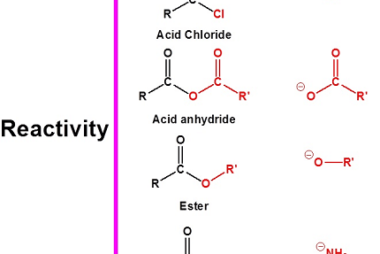
Group 13 elements in the periodic table include boron (B), aluminum (Al), gallium (Ga), indium (In), and thallium (Tl). In general, the reactivity of Group 13 elements towards acids increases down the group. Boron, being the least reactive element in the group, does not react with acids at room temperature. Aluminum, gallium, indium, and thallium…

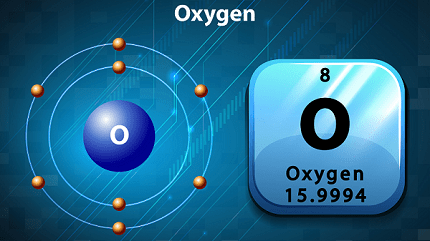
Oxygen

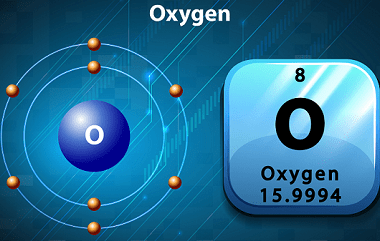
Oxygen is a chemical element with the symbol O and atomic number 8. It is a member of the chalcogen group on the periodic table, a highly reactive nonmetal, and an oxidizing agent that readily forms oxides with most elements as well as with other compounds. By mass, oxygen is the third-most abundant element in…

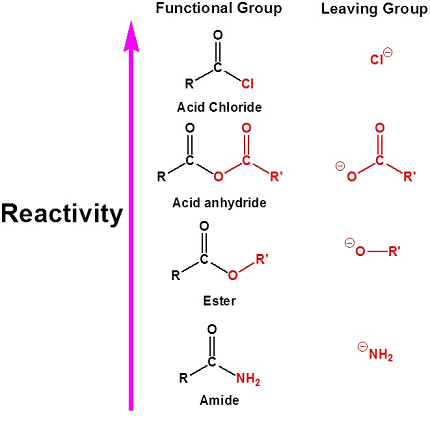
Oxidation state and trends in chemical reactivity of elements

The oxidation state of an element is the number of electrons that the atom has gained or lost when it forms a chemical bond with another atom. This number can be positive or negative, depending on whether the element has lost or gained electrons, respectively. The chemical reactivity of an element depends on its oxidation…

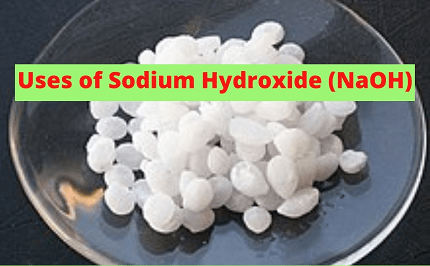
Sodium hydroxide

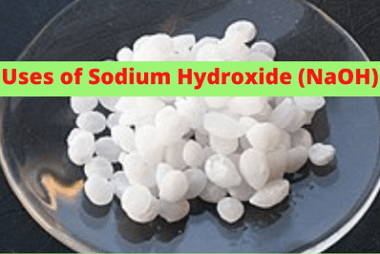
Sodium hydroxide (NaOH) is a highly caustic and reactive compound that is also known as lye or caustic soda. It is a white, odorless, and non-volatile solid that is soluble in water and forms a strongly alkaline solution. Sodium hydroxide is commonly used in various industrial and laboratory applications, including: However, sodium hydroxide is highly…