
Vrindawan Coaching Center

Therapeutic Action

Therapeutic action refers to the positive effects that a treatment or therapy has on a patient’s mental or physical health. It can include various outcomes such as symptom reduction, improved functioning, increased quality of life, and overall wellbeing. Therapeutic action can be achieved through various means such as psychotherapy, medication, exercise, diet changes, and other…
Drug-target Interaction

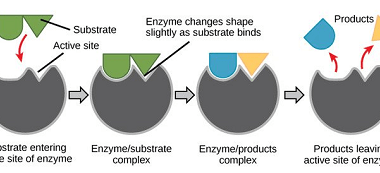
Drug-target interaction refers to the relationship between a drug and its target molecule in the body, such as a receptor or enzyme. A drug must bind to its target in order to produce a therapeutic effect, and the strength and specificity of this interaction can determine the drug’s efficacy and safety. When a drug binds…

Applications of polymers

Polymers are a diverse group of materials with many applications in various industries. Some of the common applications of polymers are: Overall, polymers have a wide range of applications in many industries, making them a crucial material in the modern world. What is Required Applications of polymers The required applications of polymers depend on the…

Bio-degradable polymers

Biodegradable polymers are types of plastic materials that can be broken down by microorganisms into natural substances such as water, carbon dioxide, and compost. Unlike traditional plastics that can persist in the environment for hundreds of years, biodegradable polymers are designed to degrade relatively quickly, often within a few months to a few years. There…

PVC

PVC stands for polyvinyl chloride, which is a synthetic plastic polymer made from the monomer vinyl chloride. It is a commonly used material in various applications such as construction, piping, electrical insulation, clothing, and medical devices. PVC is known for its durability, flexibility, and resistance to moisture and chemicals. However, PVC also has some drawbacks.…

Bakelite

Bakelite is a type of thermosetting plastic that was invented in 1907 by Belgian-born chemist Leo Baekeland. It was the first synthetic plastic ever created, and it quickly became popular due to its durability, heat resistance, and electrical insulating properties. Bakelite is made by combining phenol and formaldehyde under heat and pressure. The resulting material…

Teflon

Teflon is a brand name for a type of synthetic polymer known as polytetrafluoroethylene (PTFE). It is a highly non-reactive and heat-resistant material that is often used in a variety of applications where a non-stick surface is required. Teflon is commonly used as a non-stick coating for cookware, as well as in industrial applications such…

Nylon

Nylon is a synthetic polymer, or plastic, that was first developed by DuPont in the 1930s. It is made from a combination of chemicals, primarily derived from coal and petroleum, and is used in a wide variety of applications due to its strength, durability, and resistance to abrasion and chemicals. Nylon is commonly used in…

Cellulose

Cellulose is a complex carbohydrate, also known as a polysaccharide, that is found in the cell walls of plants. It is the most abundant organic compound on Earth, and it serves as the structural material for plants. Cellulose molecules consist of long chains of glucose molecules that are linked together by β(1→4) glycosidic bonds, which…

Natural Rubber

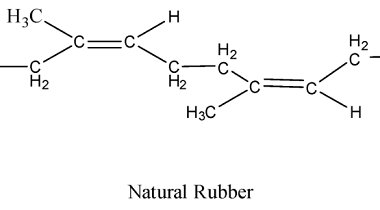
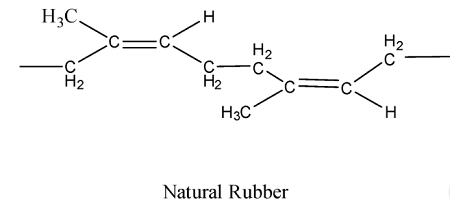
Natural rubber is a type of elastomer that is derived from the latex of various tropical plants, primarily the Hevea brasiliensis tree. The latex is harvested by making incisions in the bark of the tree and collecting the milky fluid that flows out. This fluid contains small, elastic globules of rubber, which can be processed…