Vrindawan Coaching Center

Green chemistry

Green chemistry is a branch of chemistry that focuses on the development of chemical products and processes that are environmentally sustainable and minimize or eliminate the use and generation of hazardous substances. The goal of green chemistry is to design and develop chemicals and processes that reduce or eliminate the negative impact on human health…
Industrial waste

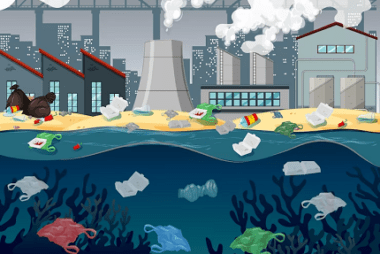
Industrial waste refers to any type of waste material that is generated by industrial activities, such as manufacturing, construction, mining, agriculture, and chemical production. These waste materials can be in the form of solids, liquids, or gases, and can contain a wide range of contaminants, such as chemicals, heavy metals, and hazardous substances. Industrial waste…

Soil pollution

Soil pollution refers to the contamination of soil with harmful substances that can have a detrimental effect on the environment, human health, and the ecosystem. Soil pollution can occur from various sources, including industrial activities, agricultural practices, improper disposal of waste, and natural disasters. Some common contaminants that contribute to soil pollution include heavy metals,…

Water pollution

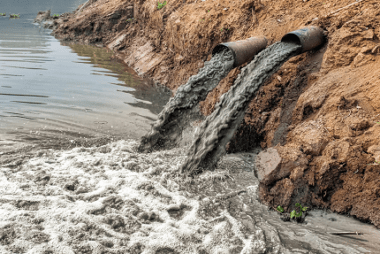
Water pollution refers to the contamination of water bodies such as lakes, rivers, oceans, and groundwater by human activities. It occurs when harmful substances such as chemicals, waste materials, and other pollutants are discharged into bodies of water without proper treatment or disposal. Water pollution can have significant impacts on the environment, human health, and…

Atmospheric pollution

Atmospheric pollution refers to the presence of harmful substances in the air we breathe, including gases, particles, and biological molecules. This pollution can come from natural sources, such as wildfires and dust storms, but is primarily caused by human activities like burning fossil fuels, industrial processes, and transportation. The most common types of atmospheric pollutants…

Sulphate and Sulphide

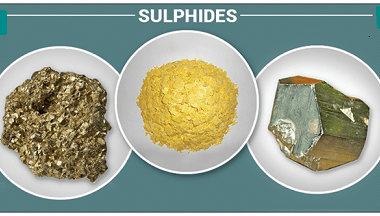
Sulphate and sulphide are two different types of chemical compounds that contain sulfur. Sulphate (or sulfate in American English) is a salt or ester of sulfuric acid. It contains the sulfate ion (SO4²⁻), which consists of one sulfur atom and four oxygen atoms. Examples of sulfate compounds include magnesium sulfate (Epsom salt), sodium sulfate (Glauber’s…

Carbonate and Bicarbonate

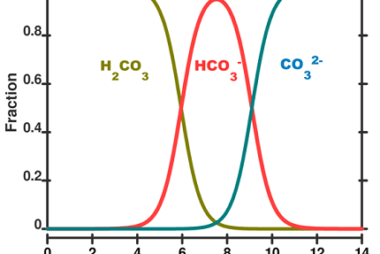
Carbonate (CO32-) and bicarbonate (HCO3-) are both ions that contain carbon and oxygen atoms. The main difference between the two is the number of hydrogen atoms they contain. Bicarbonate (HCO3-) has one hydrogen ion (H+) attached to the carbonate ion (CO32-). Bicarbonate is an important component of the pH buffering system in the body, which…

Halides (excluding fluoride)

Halides are compounds that contain halogens, which are elements in group 17 of the periodic table. The halogens include fluorine, chlorine, bromine, iodine, and astatine. Excluding fluoride, halides refer to compounds that contain any of these other halogens. Some examples of halides excluding fluoride include: These halides can be found in a variety of compounds,…

Nitrate

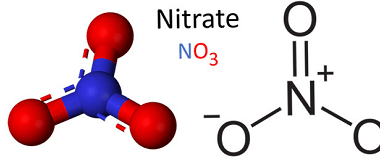
Nitrate is a chemical compound that consists of one nitrogen atom and three oxygen atoms, with a chemical formula of NO3-. It is an anion, meaning it carries a negative charge, and is commonly found in the environment as a result of natural processes such as the nitrogen cycle and lightning strikes, as well as…

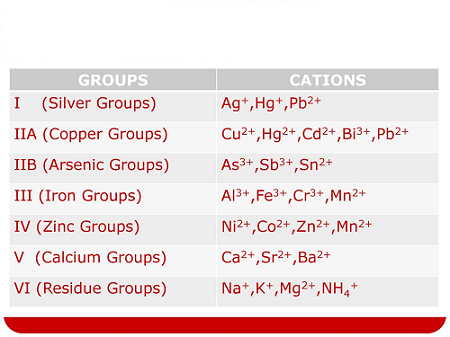
Groups I to V (only Ag+ , Hg2+, Cu2+, Pb2+, Fe3+, Cr3+, Al3+, Ca2+, Ba2+, Zn2+, Mn2+ and Mg2+)

The groups I to V you are referring to are likely the first five groups of the periodic table. These groups contain a variety of cations with different properties and reactivities. Group I cations include silver (Ag+), which is often used in jewelry and silverware, and mercury (Hg2+), which is a toxic heavy metal. Both…