Vrindawan Coaching Center

Integrated Course AIIMS-SYLLABUS Chemistry syllabus Redox reaction

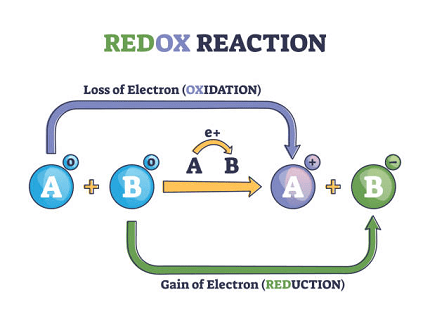
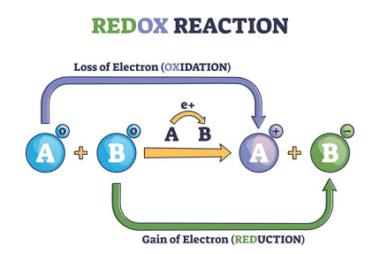
Redox reactions Short for oxidation-reduction reactions, are chemical reactions in which there is a transfer of electrons between species. In these reactions, one species undergoes oxidation (loses electrons) while another species undergoes reduction (gains electrons). This transfer of electrons is accompanied by changes in the oxidation numbers of the elements involved. Key concepts related to…

Integrated Course AIIMS-SYLLABUS Chemistry syllabus Electrochemistry

Electrochemistry Electrochemistry is the branch of chemistry that deals with the study of the relationship between electricity and chemical reactions. It involves the conversion of chemical energy into electrical energy and vice versa. Electrochemical processes are vital in various fields, including energy storage, corrosion prevention, electroplating, and biological systems. Key concepts in electrochemistry include: The…

Integrated Course AIIMS-SYLLABUS Chemistry syllabus Colligative Properties

Colligative Properties Colligative properties are a set of physical properties of solutions that depend on the number of solute particles present in the solution, regardless of their chemical identity. These properties arise due to the interactions between the solvent and the solute particles. The four main colligative properties are: It is important to note that…

Integrated Course AIIMS-SYLLABUS Chemistry syllabus Solid Solutions

Solid Solutions Solid solutions are homogeneous mixtures of two or more substances in the solid state. They are formed when atoms, ions, or molecules of one substance (solutes) are uniformly dispersed within the crystal lattice of another substance (solvent) at the atomic or molecular level. The solute particles occupy interstitial or substitutional positions within the…

Integrated Course AIIMS-SYLLABUS Chemistry syllabus The solubility of the gas in liquids

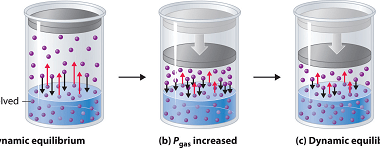
The solubility of the gas in liquids The solubility of a gas in a liquid refers to the ability of the gas to dissolve in the liquid. It is a measure of the maximum amount of gas that can be dissolved in a given quantity of the liquid at a specific temperature and pressure. The…

Integrated Course AIIMS-SYLLABUS Chemistry syllabus Types of solutions

Types of solutions In chemistry, solutions can be classified into various types based on different criteria. Here are some common types of solutions: Based on the state of the solute and solvent:a. Solid Solutions: These solutions involve a solid solute dissolved in a liquid or solid solvent. An example is an alloy like brass, which…

Integrated Course AIIMS-SYLLABUS Chemistry syllabus Solutions

Solutions Here are some common topics covered in the chemistry syllabus for medical entrance exams: This is just a general outline, and the actual syllabus may include additional topics or subtopics. I recommend referring to the official AIIMS syllabus or any course materials provided by the institute for more accurate and detailed information. What is…

Integrated Course AIIMS-SYLLABUS Chemistry syllabus Crystalline Solids

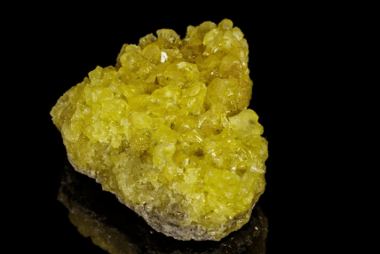
Crystalline Solids Crystalline solids are a type of solid material characterized by their highly ordered and repeating three-dimensional arrangement of atoms, ions, or molecules. This regular arrangement gives crystalline solids their distinct crystalline structure and various properties. Here are some key features and properties of crystalline solids: The study of crystalline solids is essential in…

Integrated Course AIIMS-SYLLABUS Chemistry syllabus Amorphous

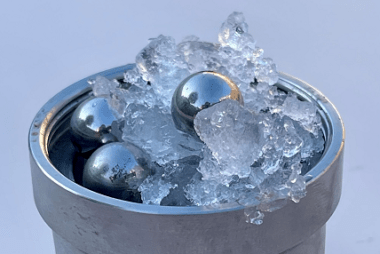
Amorphous Amorphous is a term used in materials science to describe a solid substance that lacks a definite long-range order in its atomic or molecular structure. Unlike crystalline materials, which have a regular and repeating arrangement of atoms or molecules, amorphous materials have a disordered arrangement. In amorphous substances, the atoms or molecules are randomly…

Integrated Course AIIMS-SYLLABUS Chemistry syllabus Metallic Solids

Metallic Solids Metallic solids are a type of solid material characterized by a lattice structure composed of metal atoms or ions. They exhibit metallic bonding, which is responsible for their unique properties such as high electrical conductivity, thermal conductivity, and malleability. Here are some key features and characteristics of metallic solids: These are some of…