Vrindawan Coaching Center

Group 15 Reactivity towards hydrogen

Group 15 elements, also known as pnictogens, include nitrogen (N), phosphorus (P), arsenic (As), antimony (Sb), and bismuth (Bi). These elements have five valence electrons in their outermost shell and tend to gain three electrons to achieve a stable octet configuration. In general, Group 15 elements do not react directly with hydrogen gas (H2) under…

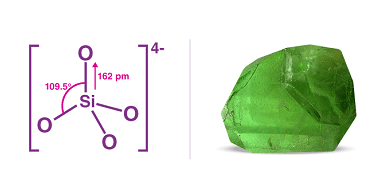
Group 14 Zeolites

Group 14 zeolites are a family of zeolites that contain tetrahedral atoms of silicon and/or germanium in their framework. They are also known as silico-germanate zeolites or germanosilicate zeolites. Group 14 zeolites have a wide range of applications, including catalysis, ion exchange, adsorption, and separation. Their properties can be tailored by varying the ratio of…

Group 14 Silicates

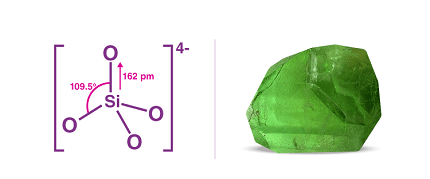
Group 14 silicates are a subgroup of silicate minerals that contain tetrahedral SiO4 units linked together to form a three-dimensional framework. The group includes several important minerals, including quartz, feldspar, and mica. The SiO4 tetrahedra in group 14 silicates are linked together in a way that creates a continuous network. The bonding between the tetrahedra…

Group 14 Carbon dioxide

Carbon dioxide (CO2) is a colorless and odorless gas consisting of one carbon atom and two oxygen atoms. It is a naturally occurring gas in the Earth’s atmosphere, as well as being produced by various human activities, such as burning fossil fuels and deforestation. Carbon dioxide is a member of Group 14 on the periodic…

Group 14 Uses of carbon monoxide

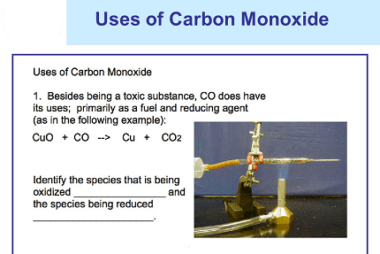
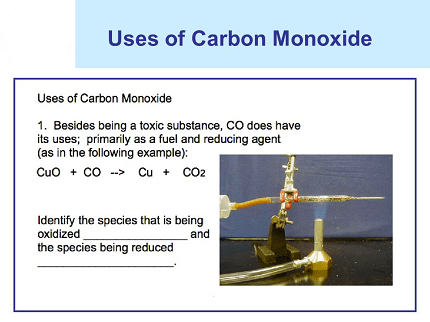
Carbon monoxide (CO) is a colorless, odorless, and highly toxic gas. While it is primarily known for its harmful effects on human health, there are also some industrial and medical applications for carbon monoxide. Here are some of the uses of carbon monoxide: It is important to note that while carbon monoxide has some industrial…

Group 14 Properties

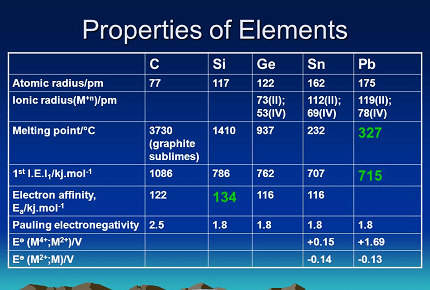
Group 14 of the periodic table is also known as the Carbon Group. It includes the elements carbon (C), silicon (Si), germanium (Ge), tin (Sn), and lead (Pb). Here are some of the general properties of Group 14 elements: Overall, Group 14 elements have a wide range of properties and applications. Carbon is essential for…

Group 14 Preparation

Group 14 of the periodic table includes carbon (C), silicon (Si), germanium (Ge), tin (Sn), and lead (Pb). The p-block elements of group 14 can be prepared using a variety of methods depending on the specific element and desired form of the substance. Here are some common methods of preparation for each element: It’s worth…

Group 14 Allotropes of carbon and uses of carbon

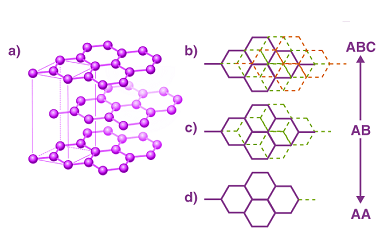
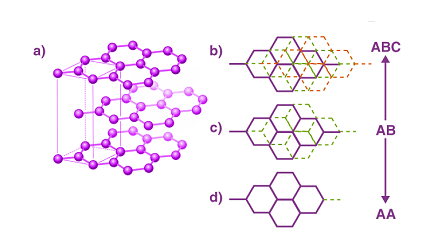
Group 14 elements include carbon, silicon, germanium, tin, and lead. Among these, carbon has the most well-known and diverse allotropes. Allotropes of carbon refer to different forms of carbon that have different physical and chemical properties. Here are some of the most important allotropes of carbon: Uses of carbon: Carbon has a wide range of…

Group 13 Uses of boron and aluminium

Boron and aluminium are both chemical elements in Group 13 of the periodic table, also known as the boron group or the triels. Here are some of their uses: Uses of Boron: Uses of Aluminium: What is Required p-Block Elements Group 13 Uses of boron and aluminium The p-Block elements in Group 13 of the…

Group 13 Alums

Group 13 of the periodic table consists of the elements boron (B), aluminum (Al), gallium (Ga), indium (In), and thallium (Tl). These elements are collectively known as the boron group or the aluminum group. Aluminum and some of the other elements in Group 13 can form alums, which are double sulfates that have the general…