Vrindawan Coaching Center

Amine

Amine (pronounced ah-meen) is a given name that is derived from Arabic origins. It is a common name throughout the Arab world and is also used in other cultures. The name means “faithful” or “trustworthy” in Arabic and is often associated with positive qualities such as honesty and reliability. It is a unisex name, meaning…
Alcohol

Alcohol is a psychoactive substance that is consumed for its intoxicating effects. It is a colorless and flammable liquid that is produced by the fermentation of sugars and other carbohydrates by yeast. The most common types of alcoholic beverages are beer, wine, and distilled spirits like whiskey, gin, and vodka. Alcohol is classified as a…

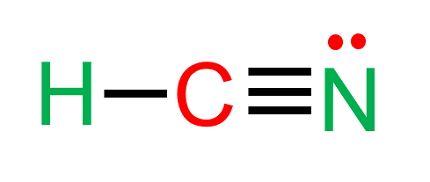
HCN

HCN stands for Hydrogen Cyanide, which is a colorless, highly poisonous gas that has a faint, bitter almond odor. It is used in a variety of industrial processes, including the production of synthetic fibers, plastics, and dyes. HCN is also found in nature, being produced by certain plants and some bacteria. HCN is a deadly…

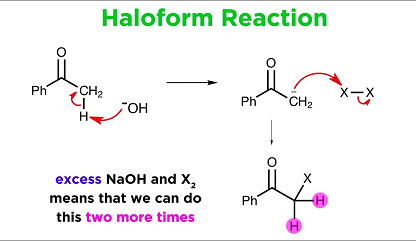
Haloform reaction

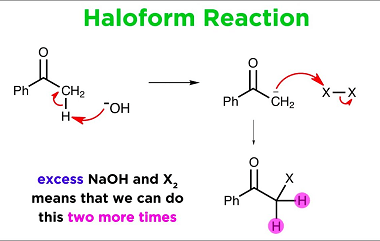
The haloform reaction is a chemical reaction in which a methyl ketone (a compound containing a carbonyl group, C=O, bonded to a methyl group, CH3) is treated with a halogen (chlorine, bromine, or iodine) and a strong base (usually sodium hydroxide, NaOH) to produce a carboxylic acid and a haloform (a compound containing a halogen…

Cannizzaro reaction

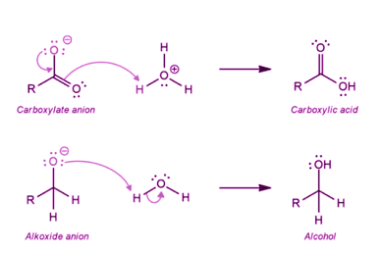
The Cannizzaro reaction is a redox reaction that involves the disproportionation of an aldehyde into a carboxylic acid and an alcohol in the presence of a strong base. The reaction is named after its discoverer, Stanislao Cannizzaro, an Italian chemist who first described the reaction in 1853. The general equation for the Cannizzaro reaction is:…

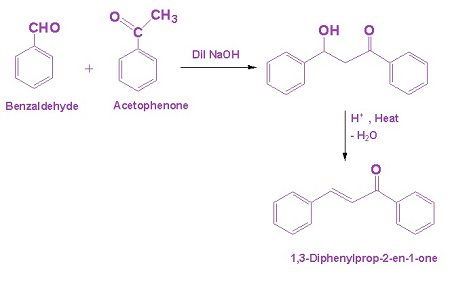
Aldol Condensation

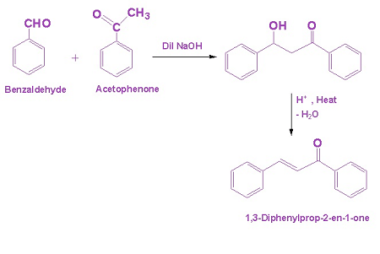
Aldol condensation is a type of organic reaction that involves the condensation of two carbonyl compounds, usually an aldehyde and a ketone, to form a β-hydroxy carbonyl compound, also known as an aldol. The word “aldol” is a combination of “aldehyde” and “alcohol”. The reaction typically requires a base catalyst, such as sodium hydroxide, to…

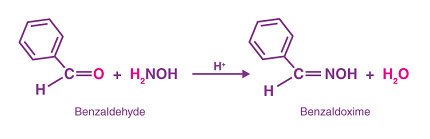
Oxime

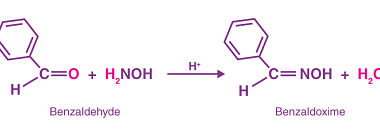
An oxime is a chemical compound that contains a nitrogen atom connected to a carbon atom via a double bond (C=N-OH). Oximes are typically formed by the reaction of aldehydes or ketones with hydroxylamine. They are important intermediates in organic synthesis and are used in a variety of applications, including as reagents in analytical chemistry,…

Reduction

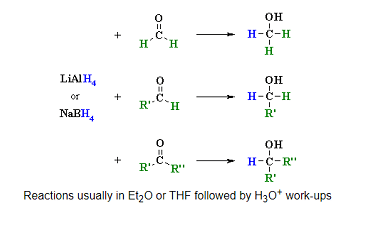
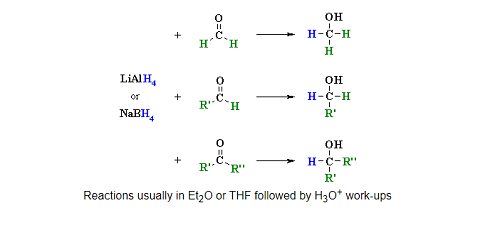
Reduction of aldehydes and ketones is a common reaction in organic chemistry. The most commonly used reducing agents for this purpose are sodium borohydride (NaBH4) and lithium aluminum hydride (LiAlH4). Reduction of aldehydes: Aldehydes can be reduced to primary alcohols using either NaBH4 or LiAlH4 in the presence of an acid catalyst such as HCl.…

Reactions: Oxidation

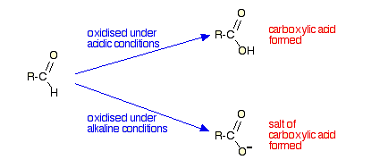
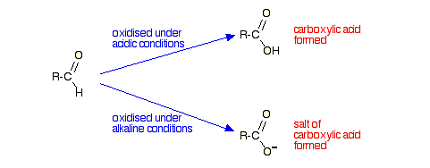
Oxidation is a type of chemical reaction that involves the loss of electrons or an increase in oxidation state of an atom, ion or molecule. It can occur in a variety of contexts, including combustion reactions, metabolic processes, and corrosion. In general, oxidation reactions are characterized by the transfer of electrons from a reducing agent…

Benzaldehyde from Toluene and Benzene

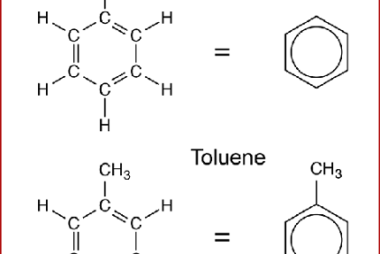
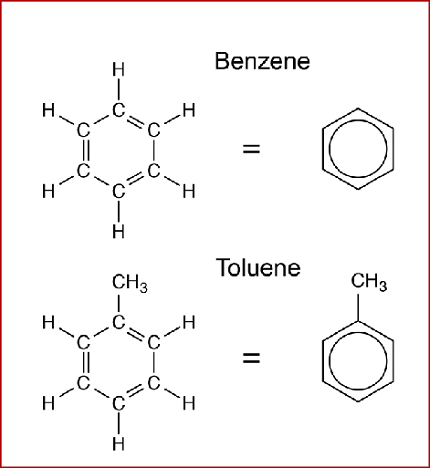
Benzaldehyde can be synthesized from toluene or benzene using the following steps: The overall reaction can be represented as follows: Toluene/Benzene + Oxidizing Agent → Benzyl Alcohol → Oxidizing Agent → Benzaldehyde Note that this reaction requires careful handling of strong oxidizing agents, which can be dangerous if not handled properly. It is recommended to…