Vrindawan Coaching Center

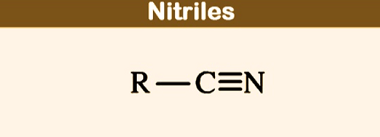
Nitriles

Aldehydes and ketones are organic compounds that contain a carbonyl group, which is a carbon atom double-bonded to an oxygen atom. In aldehydes, the carbonyl group is at the end of a carbon chain, whereas in ketones, it is in the middle. Nitriles, also known as cyano compounds, are organic compounds that contain a triple…

Ketones from acid chlorides

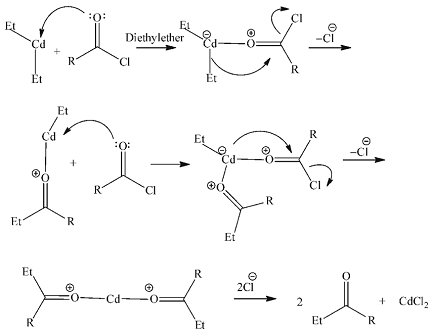
Ketones can be synthesized from acid chlorides through a reaction called Friedel-Crafts acylation. This reaction involves the reaction of an acid chloride with a Lewis acid catalyst, such as aluminum chloride (AlCl3), to form an acylium ion intermediate. The acylium ion then undergoes a nucleophilic attack by an arene, which leads to the formation of…

Preparation of: Aldehydes

Aldehydes can be prepared by several methods. Some of the commonly used methods are: These are some of the methods used for the preparation of aldehydes. What is Required Preparation of: Aldehydes The required preparation of aldehydes depends on the method being used for their synthesis. However, some common laboratory equipment and reagents that may…

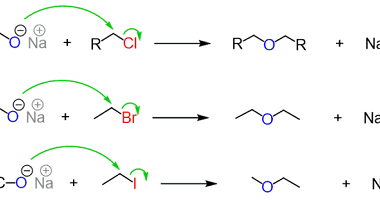
Preparation by Williamson’s synthesis

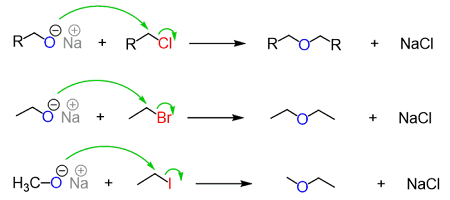
Williamson’s synthesis is a method used to prepare ethers. The general reaction involves the reaction of an alkoxide ion with a primary alkyl halide or a primary alcohol with an alkyl halide in the presence of a strong base such as sodium or potassium hydroxide. The reaction mechanism involves the formation of an alkoxide ion…

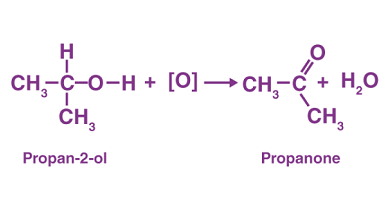
Conversion of alcohols into aldehydes

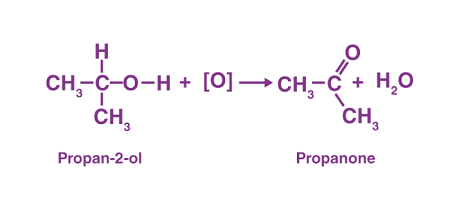
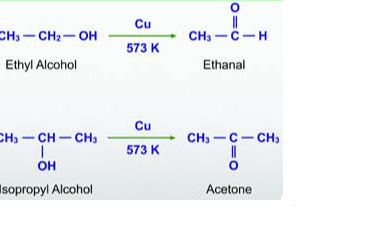
Alcohols can be converted into aldehydes through oxidation reactions. One commonly used method is the use of an oxidizing agent such as chromic acid (H2CrO4), pyridinium chlorochromate (PCC), or Jones reagent (a solution of chromic acid and sulfuric acid). The specific oxidizing agent and conditions used will depend on the alcohol being converted and the…

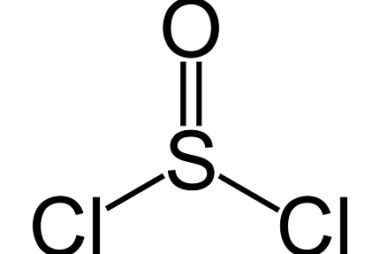
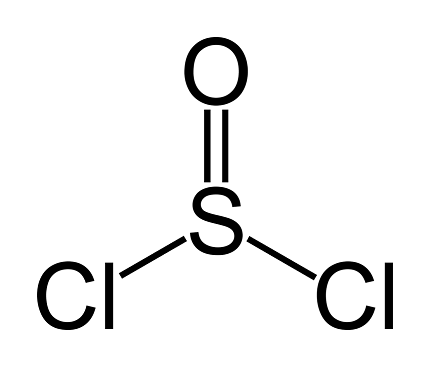
Thionyl chloride

Thionyl chloride (SOCl2) is a chemical compound that is commonly used as a reagent in organic chemistry for various reactions, such as the conversion of alcohols to alkyl chlorides, carboxylic acids to acid chlorides, and amides to nitriles. Thionyl chloride is a colorless to slightly yellowish liquid with a pungent odor. It is highly reactive…

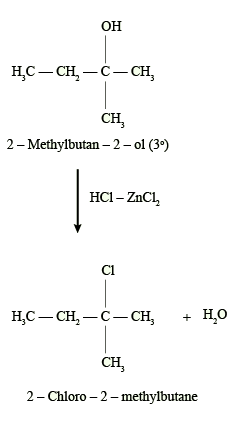
ZnCl2/Concentrated HCl

ZnCl2 is the chemical formula for zinc chloride, and HCl is the chemical formula for hydrochloric acid. When these two substances are combined, they react to form a complex mixture of products. The reaction between ZnCl2 and HCl is exothermic, meaning that it releases heat as it proceeds. The products of the reaction include hydrogen…

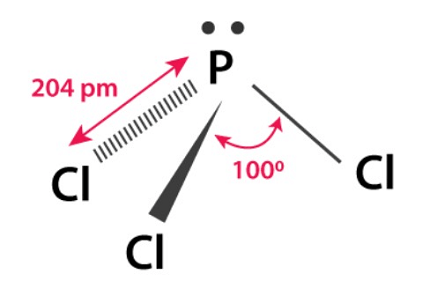
Phosphorus halides

Phosphorus halides are compounds formed by the combination of phosphorus with halogens (fluorine, chlorine, bromine, iodine). The most common phosphorus halides are phosphorus trichloride (PCl3), phosphorus pentachloride (PCl5), phosphorus tribromide (PBr3), and phosphorus triiodide (PI3). Phosphorus trichloride (PCl3) is a colorless liquid with a pungent odor. It is used in the production of pesticides, herbicides,…

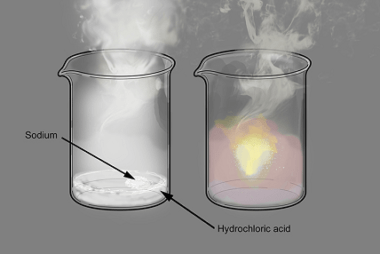
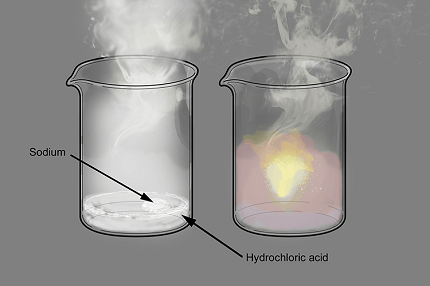
Reactions with: Sodium

Sodium is a highly reactive alkali metal with the symbol Na and atomic number 11. It has a silvery-white appearance and is soft enough to be cut with a knife. Sodium reacts vigorously with water to produce sodium hydroxide and hydrogen gas. It also reacts with oxygen to form sodium oxide and with halogens to…

Formation of Alkenes and Ethers

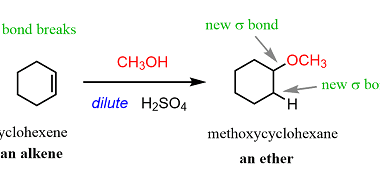
Formation of Alkenes: Alkenes can be formed through a variety of methods, including elimination reactions, dehydrohalogenation, and dehydration. Elimination reactions occur when a molecule loses a small molecule such as water or hydrogen halide to form a double bond. This type of reaction is commonly seen in the elimination of alcohols, where the hydroxyl group…