Vrindawan Coaching Center

Stereoisomers and Stereochemical relationship

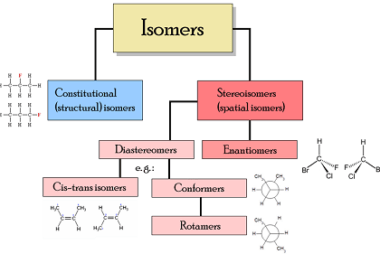
Stereoisomers are molecules that have the same molecular formula and connectivity of atoms but differ in the spatial arrangement of their atoms in three-dimensional space. They arise due to the presence of chiral centers, double bonds, or other forms of isomerism. Stereoisomers can be divided into two categories: enantiomers and diastereomers. Enantiomers are stereoisomers that…
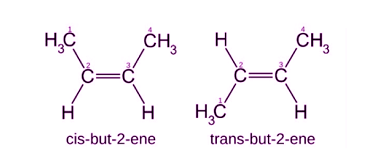
Structural and Geometrical isomerism

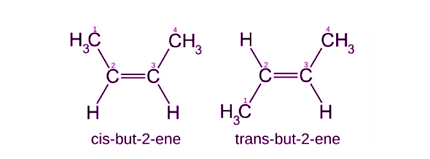
Structural isomerism and geometrical isomerism are two different types of isomerism in organic chemistry. Structural isomerism occurs when molecules have the same molecular formula but different arrangements of atoms. This can be due to differences in the bonding patterns of the atoms within the molecule. For example, pentane and 2-methylbutane have the same molecular formula…

Shapes of simple organic molecules

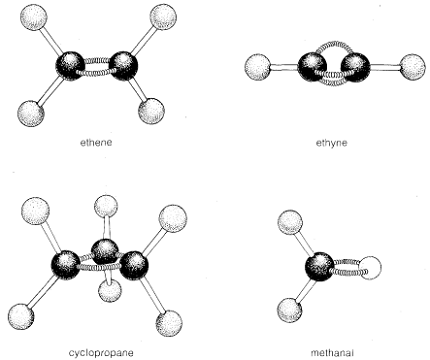
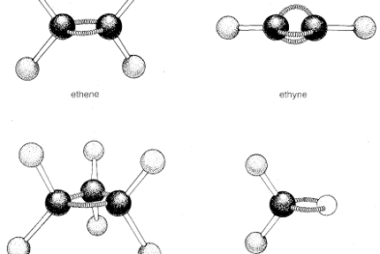
Simple organic molecules can have a variety of shapes depending on the arrangement of their atoms and the type of bonds between them. Here are some common shapes of simple organic molecules: These are just a few examples of the many shapes that simple organic molecules can take. The shape of a molecule plays an…

σ and π-bonds

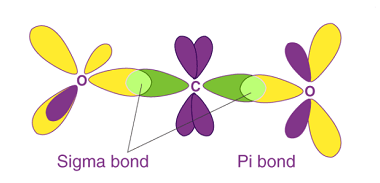
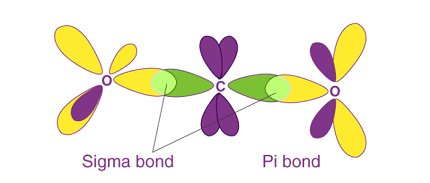
σ and π-bonds are two types of covalent bonds that form between atoms when they share electrons. A σ-bond is formed when two atoms directly overlap their atomic orbitals along the line connecting their nuclei. This type of bond is characterized by the electron density being concentrated in the region directly between the two nuclei.…

Hybridisation of carbon

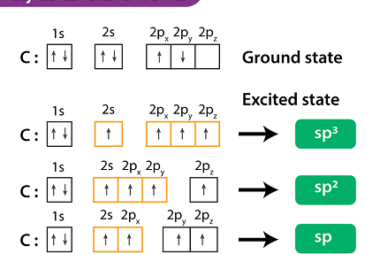
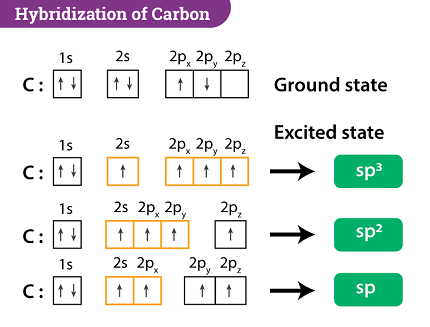
Carbon can undergo hybridization to form hybrid orbitals that can participate in chemical bonding. Hybridization of carbon involves the mixing of its valence orbitals, which are the 2s and three 2p orbitals, to form new hybrid orbitals. The most common hybridizations of carbon are sp, sp2, and sp3 hybridizations. The type of hybridization that carbon…

Green chemistry

Green chemistry is a branch of chemistry that focuses on the development of chemical products and processes that are environmentally sustainable and minimize or eliminate the use and generation of hazardous substances. The goal of green chemistry is to design and develop chemicals and processes that reduce or eliminate the negative impact on human health…

Industrial waste

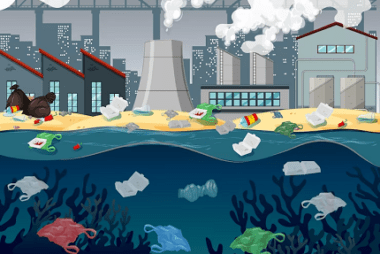
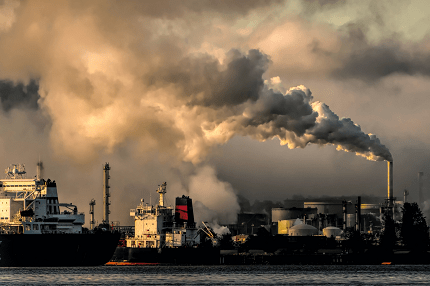
Industrial waste refers to any type of waste material that is generated by industrial activities, such as manufacturing, construction, mining, agriculture, and chemical production. These waste materials can be in the form of solids, liquids, or gases, and can contain a wide range of contaminants, such as chemicals, heavy metals, and hazardous substances. Industrial waste…

Water pollution

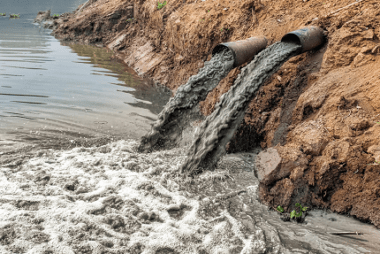
Water pollution refers to the contamination of water bodies such as lakes, rivers, oceans, and groundwater by human activities. It occurs when harmful substances such as chemicals, waste materials, and other pollutants are discharged into bodies of water without proper treatment or disposal. Water pollution can have significant impacts on the environment, human health, and…

Atmospheric pollution

Atmospheric pollution refers to the presence of harmful substances in the air we breathe, including gases, particles, and biological molecules. This pollution can come from natural sources, such as wildfires and dust storms, but is primarily caused by human activities like burning fossil fuels, industrial processes, and transportation. The most common types of atmospheric pollutants…

Sulphate and Sulphide

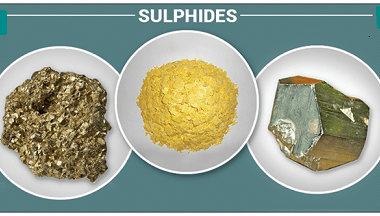
Sulphate and sulphide are two different types of chemical compounds that contain sulfur. Sulphate (or sulfate in American English) is a salt or ester of sulfuric acid. It contains the sulfate ion (SO4²⁻), which consists of one sulfur atom and four oxygen atoms. Examples of sulfate compounds include magnesium sulfate (Epsom salt), sodium sulfate (Glauber’s…