Vrindawan Coaching Center

Elementary ideas of Emulsions

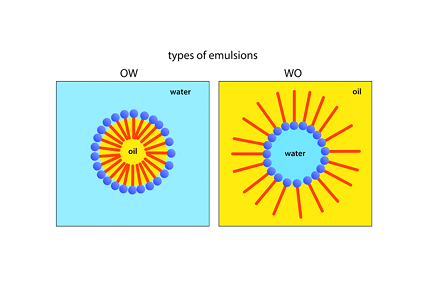
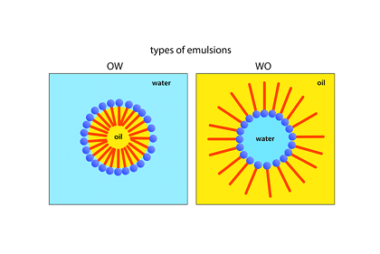
An emulsion is a mixture of two or more immiscible liquids, where one liquid is dispersed throughout the other in small droplets. The dispersed liquid is known as the dispersed phase, while the continuous liquid is known as the continuous phase. The most common example of an emulsion is oil and water, where the oil…
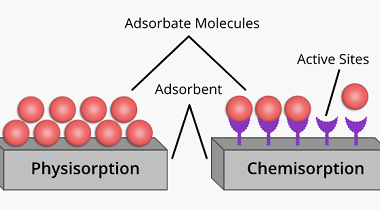
Elementary concepts of adsorption: Physisorption and Chemisorption

Adsorption is a process by which molecules or atoms from a gas, liquid, or dissolved solid adhere to the surface of a solid material. The two main types of adsorption are physisorption and chemisorption. Physisorption, also known as physical adsorption or van der Waals adsorption, is a type of adsorption that occurs due to weak…

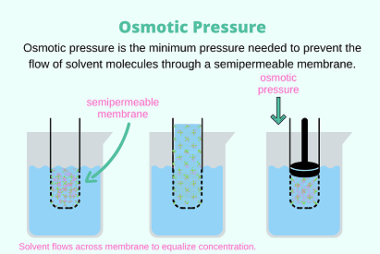
Osmotic pressure

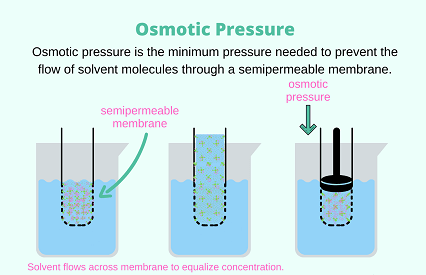
Osmotic pressure is the pressure required to prevent the flow of solvent molecules across a semipermeable membrane, due to the presence of solute molecules. In other words, it is the pressure needed to stop the flow of solvent from a region of low solute concentration to a region of high solute concentration, when the two…

Lowering of vapour pressure

Lowering of vapor pressure refers to the phenomenon in which the vapor pressure of a solvent is reduced when a non-volatile solute is added to it. This occurs due to the formation of intermolecular bonds between the solute and solvent molecules, which reduces the number of solvent molecules available to evaporate and therefore lowers the…

Colligative properties

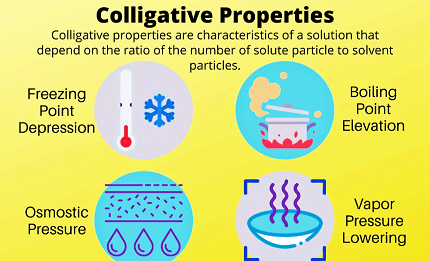
Colligative properties are physical properties of a solution that depend only on the number of particles of solute dissolved in the solvent, and not on the nature of the solute particles themselves. The four colligative properties are: What is Required Colligative properties Required colligative properties refer to the use of colligative properties to determine the…

Henry’s law

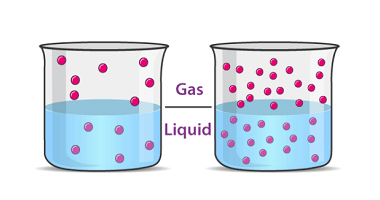
Henry’s law states that at a constant temperature, the amount of gas that dissolves in a liquid is directly proportional to the partial pressure of that gas in equilibrium with the liquid. In other words, the solubility of a gas in a liquid is directly proportional to the pressure of that gas above the liquid.…

Enzyme catalysis and Its mechanism

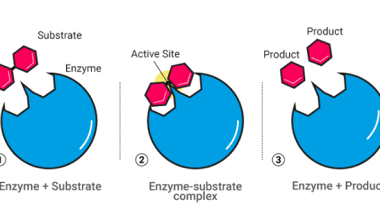
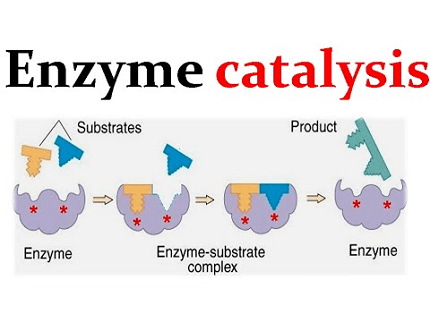
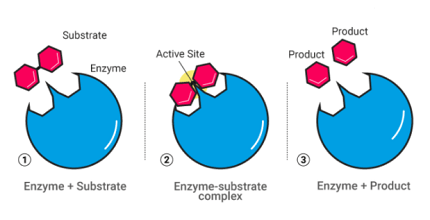
Enzymes are biological catalysts that speed up the rate of chemical reactions in living organisms. Enzymes are highly specific, meaning that they catalyze only one or a few types of chemical reactions. The mechanism by which enzymes catalyze chemical reactions is through a process called enzyme catalysis. Enzyme catalysis involves several steps: The mechanism by…

Activity and selectivity of solid catalysts

Solid catalysts are materials that accelerate chemical reactions by providing a surface for reactant molecules to adsorb onto and react. The activity of a solid catalyst is a measure of how effectively it can promote a particular chemical reaction, while selectivity refers to its ability to selectively form a desired product and minimize the formation…

Differential and integrated rate expressions for zero and first order reactions

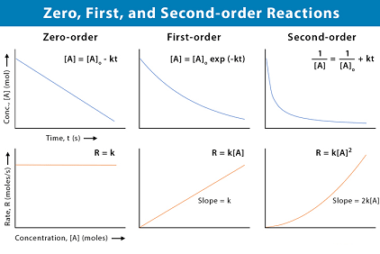
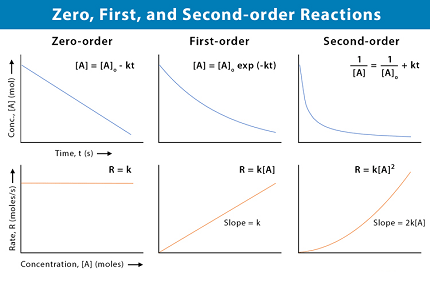
The rate of a chemical reaction is the change in the concentration of reactants or products per unit time. The rate law for a chemical reaction describes how the rate of the reaction depends on the concentrations of the reactants. There are different rate laws for different types of reactions, but two common types are…

Emf of galvanic cells

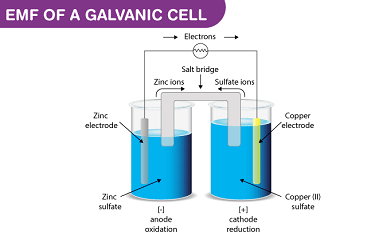
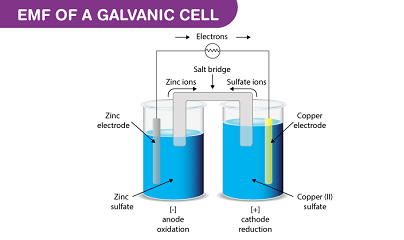
A galvanic cell, also known as a voltaic cell, is an electrochemical cell that converts chemical energy into electrical energy. The cell consists of two electrodes, each with a different reduction potential, that are connected by an electrolyte. The potential difference between the two electrodes is known as the cell potential or electromotive force (EMF)…