Vrindawan Coaching Center

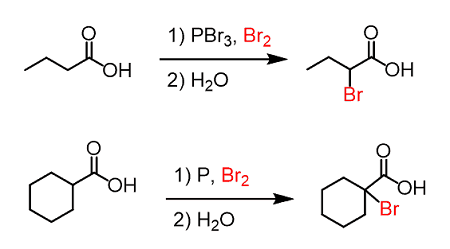
Halogenation

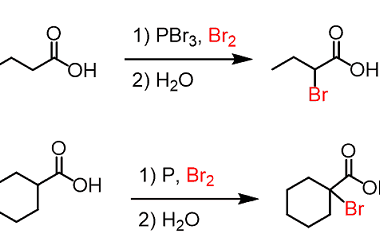
Carboxylic acids are not usually halogenated directly as they are not very reactive towards halogens. However, there are a few methods for the halogenation of carboxylic acids. One method involves the use of phosphorus halides, such as phosphorus tribromide (PBr3) or phosphorus pentachloride (PCl5), to convert the carboxylic acid into an acyl halide. The reaction…

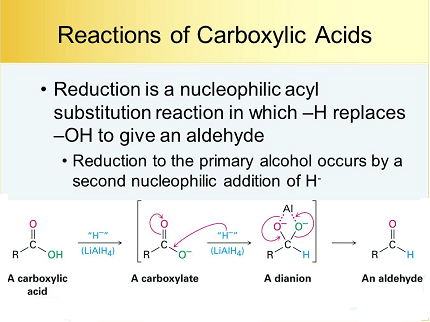
Reactions: Reduction

In chemistry, a reduction reaction is a type of chemical reaction in which electrons are gained by an atom, molecule, or ion. This results in a decrease in the oxidation state or an increase in the number of bonds to hydrogen in the substance being reduced. Reduction reactions can be identified by the addition of…

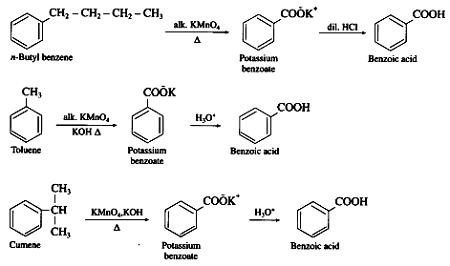
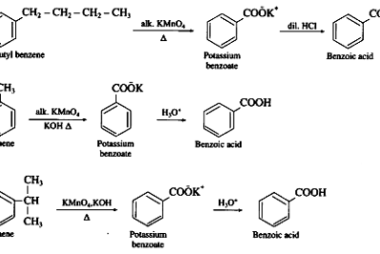
Preparation of benzoic acid from alkylbenzenes

Benzoic acid can be prepared from alkylbenzenes by the following steps: Overall, the process involves oxidation of the starting material, followed by acidification, extraction and purification to obtain pure benzoic acid. What is Required Preparation of benzoic acid from alkylbenzenes To prepare benzoic acid from alkylbenzenes, you will need the following materials: When is Required…

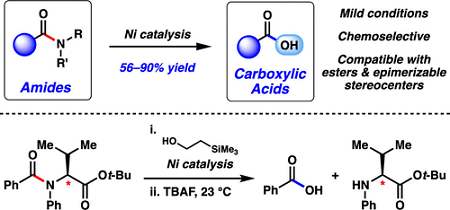
Amides

Carboxylic acids and amides are two types of organic compounds that contain nitrogen, oxygen, and carbon atoms. Carboxylic acids are organic compounds that contain a carboxyl group (-COOH) attached to a carbon atom. They are typically acidic and have a sour taste. Some examples of carboxylic acids include acetic acid, formic acid, and citric acid.…

Hydrolysis of Esters

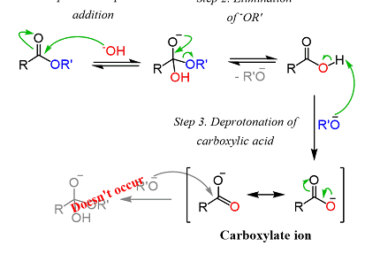
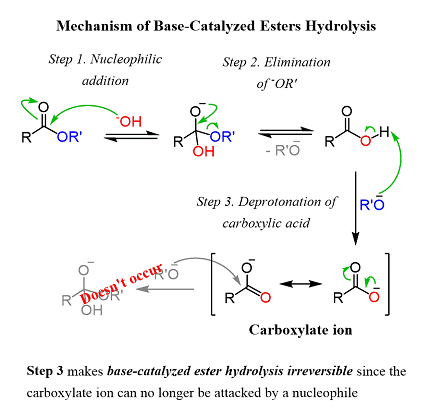
Hydrolysis of esters is a chemical reaction in which an ester is reacted with water to produce an alcohol and a carboxylic acid. This reaction is catalyzed by an acid or a base and can occur under various conditions. When the hydrolysis is catalyzed by an acid, it is called acid hydrolysis. In this process,…

Grignard reagents

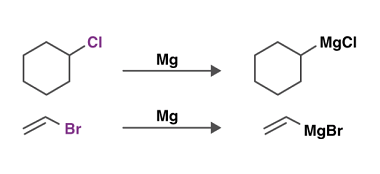
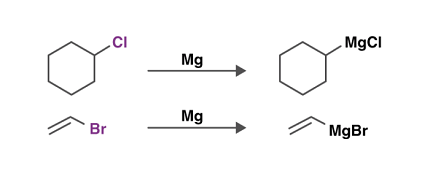
Grignard reagents are organometallic compounds that contain a carbon atom bonded to a magnesium atom, often represented as RMgX (where R is an alkyl or aryl group and X is a halogen such as Cl, Br, or I). They are named after their discoverer, French chemist Victor Grignard, who was awarded the Nobel Prize in…

Preparation: from Nitriles

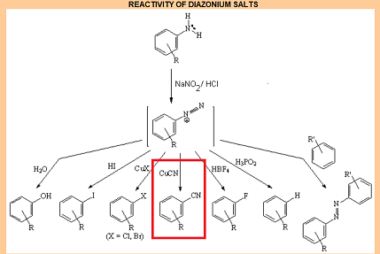
Nitriles can be converted into a wide variety of compounds through various chemical reactions. Here are some common examples: CH3CN + NH3 → CH3CONH2 C6H5CN + 4H → C6H5CH2NH2 CH3CH2CN + MgBr → CH3CH2COCH3 CH3CH2CN + NH3 → CH3CH2CONH2 CH3CN + CH3I → CH3CN=CH3 These are just a few examples of the many ways nitriles…

Physical properties

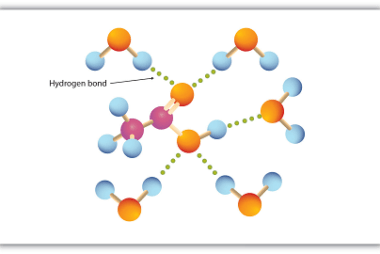
Carboxylic acids are a group of organic compounds that contain a carboxyl functional group (-COOH) attached to a hydrocarbon chain. They are characterized by several physical properties, including: What is Required Carboxylic Acids Physical properties The physical properties of carboxylic acids that are required or necessary depend on the specific application or use of the…

Amine

Amine (pronounced ah-meen) is a given name that is derived from Arabic origins. It is a common name throughout the Arab world and is also used in other cultures. The name means “faithful” or “trustworthy” in Arabic and is often associated with positive qualities such as honesty and reliability. It is a unisex name, meaning…

HCN

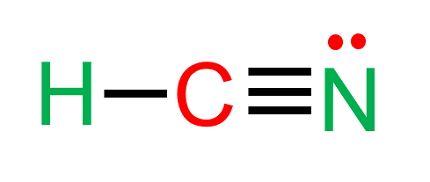
HCN stands for Hydrogen Cyanide, which is a colorless, highly poisonous gas that has a faint, bitter almond odor. It is used in a variety of industrial processes, including the production of synthetic fibers, plastics, and dyes. HCN is also found in nature, being produced by certain plants and some bacteria. HCN is a deadly…