Vrindawan Coaching Center

Preparation of: Aldehydes

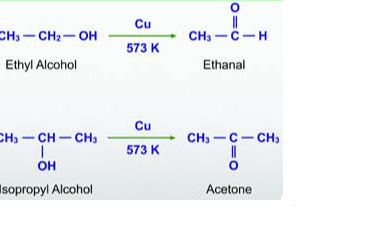
Aldehydes can be prepared by several methods. Some of the commonly used methods are: These are some of the methods used for the preparation of aldehydes. What is Required Preparation of: Aldehydes The required preparation of aldehydes depends on the method being used for their synthesis. However, some common laboratory equipment and reagents that may…
C-O bond cleavage reactions

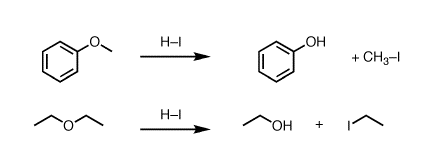
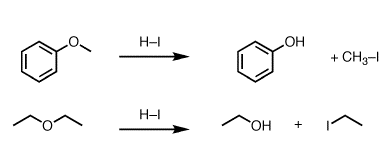
C-O bond cleavage reactions involve breaking the bond between a carbon atom and an oxygen atom in a molecule. These reactions can occur through a variety of mechanisms, including homolytic cleavage, heterolytic cleavage, and acid-catalyzed cleavage. Homolytic cleavage occurs when the bond between carbon and oxygen is broken evenly, with each atom receiving one of…

Preparation by Williamson’s synthesis

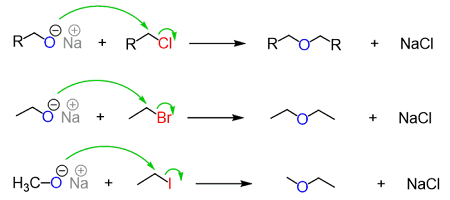
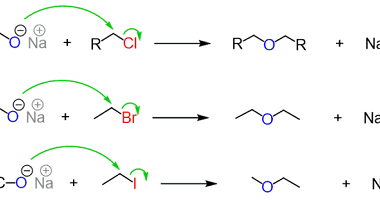
Williamson’s synthesis is a method used to prepare ethers. The general reaction involves the reaction of an alkoxide ion with a primary alkyl halide or a primary alcohol with an alkyl halide in the presence of a strong base such as sodium or potassium hydroxide. The reaction mechanism involves the formation of an alkoxide ion…

Carboxylic Acids

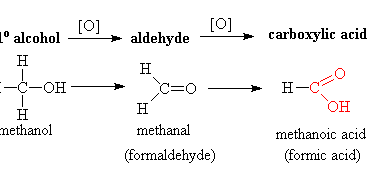
Carboxylic acids are organic compounds that contain a carboxyl functional group (-COOH). This functional group consists of a carbonyl group (C=O) and a hydroxyl group (-OH) bonded to the same carbon atom. The general formula for carboxylic acids is R-COOH, where R represents a hydrocarbon chain or a hydrogen atom. Carboxylic acids can be classified…

Thionyl chloride

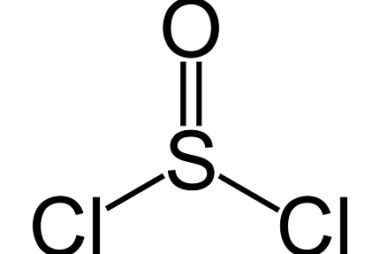
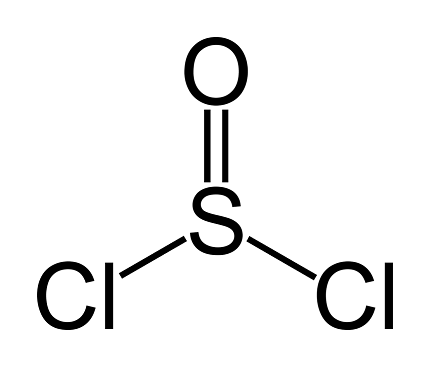
Thionyl chloride (SOCl2) is a chemical compound that is commonly used as a reagent in organic chemistry for various reactions, such as the conversion of alcohols to alkyl chlorides, carboxylic acids to acid chlorides, and amides to nitriles. Thionyl chloride is a colorless to slightly yellowish liquid with a pungent odor. It is highly reactive…

Phosphorus halides

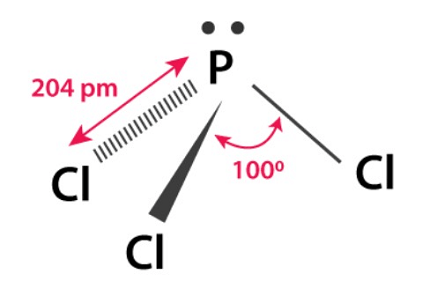
Phosphorus halides are compounds formed by the combination of phosphorus with halogens (fluorine, chlorine, bromine, iodine). The most common phosphorus halides are phosphorus trichloride (PCl3), phosphorus pentachloride (PCl5), phosphorus tribromide (PBr3), and phosphorus triiodide (PI3). Phosphorus trichloride (PCl3) is a colorless liquid with a pungent odor. It is used in the production of pesticides, herbicides,…

Formation of Alkenes and Ethers

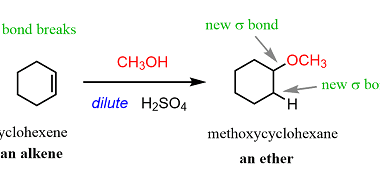
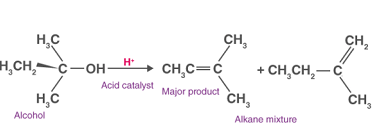
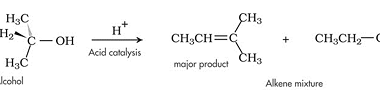
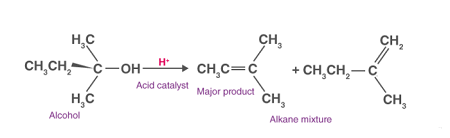
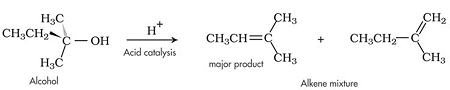
Formation of Alkenes: Alkenes can be formed through a variety of methods, including elimination reactions, dehydrohalogenation, and dehydration. Elimination reactions occur when a molecule loses a small molecule such as water or hydrogen halide to form a double bond. This type of reaction is commonly seen in the elimination of alcohols, where the hydroxyl group…

Dehydration

Dehydration occurs when your body loses more fluid than you take in. This can happen as a result of not drinking enough fluids, sweating excessively, or a combination of both. The symptoms of dehydration can vary depending on the severity of the condition. Mild dehydration may cause symptoms such as thirst, dry mouth, and dark…

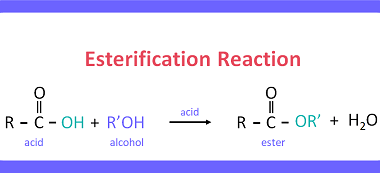
Reactions: Esterification

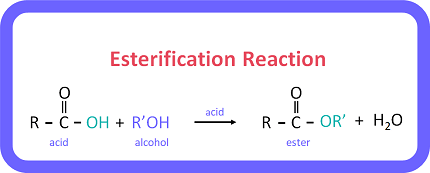
Esterification is a chemical reaction between an alcohol and a carboxylic acid in the presence of an acid catalyst to form an ester and water. The general equation for this reaction is: R-OH + R’-COOH → R’-COOR + H2O where R and R’ are alkyl or aryl groups. There are several reactions that can take…

Physical properties

Alcohols are organic compounds that contain a hydroxyl (-OH) group attached to a carbon atom. They have unique physical properties due to their structure and intermolecular forces. Some of the most important physical properties of alcohols include: What is Required Alcohols Physical properties The physical properties required for alcohols depend on their intended use or…