Vrindawan Coaching Center

Advance Course AIIMS-SYLLABUS Biology syllabus Budding

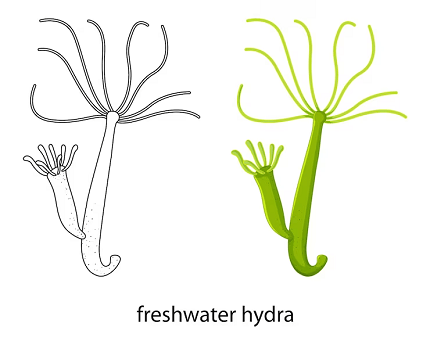
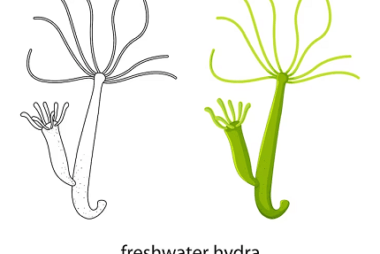
Budding Budding is a form of asexual reproduction in which a new organism develops as an outgrowth or bud from the body of the parent organism. It is commonly observed in many organisms, including fungi, plants, and some animals. In budding, the parent organism forms a small bud or outgrowth on its body. This bud…
Advance Course AIIMS-SYLLABUS Biology syllabus Sporulation

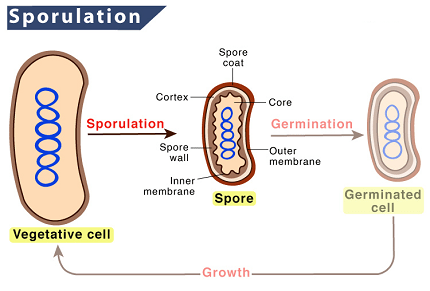
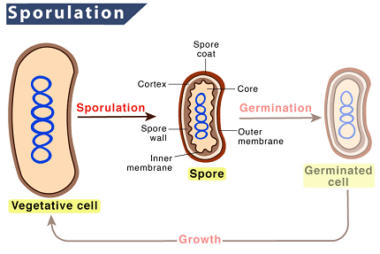
Sporulation Sporulation is a biological process observed in certain organisms, including bacteria, fungi, algae, and some protozoa. It is a form of reproduction or survival strategy that allows the organism to produce spores, which are specialized structures that can withstand harsh environmental conditions. In bacteria, sporulation occurs when the conditions for growth become unfavorable, such…

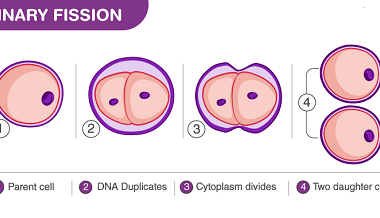
Advance Course AIIMS-SYLLABUS Biology syllabus Binary fission

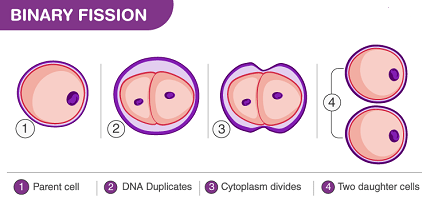
Binary fission Binary fission is a method of asexual reproduction commonly observed in prokaryotic organisms, such as bacteria. It is a relatively simple process in which a single parent cell divides into two identical daughter cells. Binary fission allows for rapid population growth in prokaryotes under favorable conditions. Here are the key steps involved in…

Advance Course AIIMS-SYLLABUS Biology syllabus Reproduction in organisms which is sexual and asexual

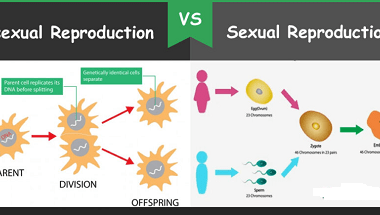
Reproduction in organisms which is sexual and asexual Reproduction in organisms can occur through two main modes: sexual reproduction and asexual reproduction. Let’s explore each of them in more detail: Sexual reproduction offers several advantages, such as increased genetic diversity, which can enhance the adaptability and survival chances of the offspring. It also allows for…

Advance Course AIIMS-SYLLABUS Chemistry syllabus Iron

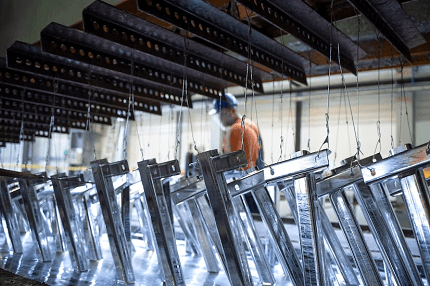
Iron Iron is a chemical element with the symbol Fe and atomic number 26. It is one of the most abundant elements on Earth and has numerous applications in various fields due to its unique properties. Here are some key points about iron: It’s important to note that iron is a broad and complex topic…

Advance Course AIIMS-SYLLABUS Chemistry syllabus Copper

Copper Copper is a chemical element with the symbol Cu and atomic number 29. It is a transition metal and belongs to Group 11 on the periodic table. Here are some key points about copper: These are some essential aspects related to copper. Its wide range of applications and unique properties make it a valuable…

Advance Course AIIMS-SYLLABUS Chemistry syllabus Extraction of aluminum

Extraction of aluminum The extraction of aluminum is a complex process that involves several steps. Here is a detailed explanation of the extraction process: Bauxite Mining: Aluminum is primarily extracted from a mineral called bauxite, which is a mixture of various minerals such as gibbsite (Al(OH)3), boehmite (AlOOH), and diaspore (α-AlO(OH)). Bauxite is usually found…

Advance Course AIIMS-SYLLABUS Chemistry syllabus Oxidation

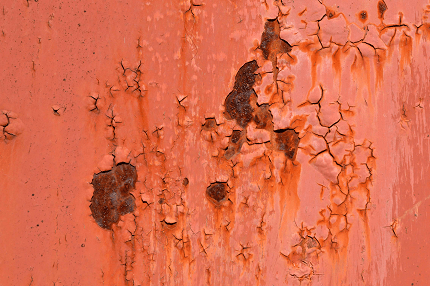
Oxidation Oxidation is a chemical process that involves the loss of electrons or an increase in the oxidation state of an atom, ion, or molecule. It is often associated with the addition of oxygen, the removal of hydrogen, or the removal of electrons from a species. Oxidation reactions are typically accompanied by reduction reactions, forming…

Advance Course AIIMS-SYLLABUS Chemistry syllabus Methods to extract

Methods to extract Methods to extract refer to the techniques used to separate or isolate specific components from a mixture or source material. There are various methods of extraction employed in different fields, including chemistry, biology, and industry. Here are some common methods of extraction: These are just a few examples of extraction methods commonly…

Advance Course AIIMS-SYLLABUS Chemistry syllabus Principles

Principles If you’re specifically looking for the principles covered in the AIIMS chemistry syllabus, here are some fundamental principles that are commonly included: It’s important to note that the AIIMS chemistry syllabus may vary over time, and it’s always advisable to refer to the official syllabus provided by AIIMS or consult the relevant department for…