Vrindawan Coaching Center

Advance Course AIIMS-SYLLABUS Chemistry syllabus Electrophoresis

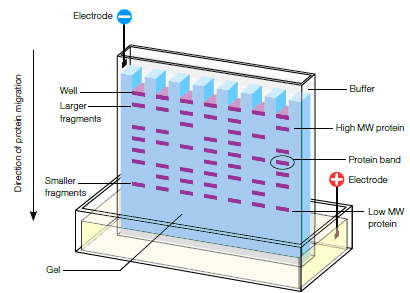
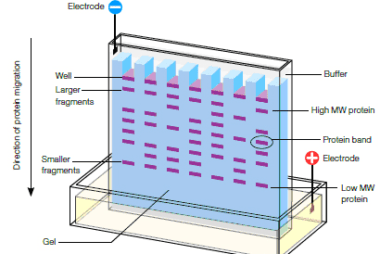
Electrophoresis Electrophoresis is a laboratory technique used to separate and analyze molecules based on their size and charge. It involves applying an electric field to a gel or liquid medium containing the molecules of interest. The molecules, such as proteins or nucleic acids, move through the medium under the influence of the electric field. In…
Advance Course AIIMS-SYLLABUS Chemistry syllabus Brownian movement

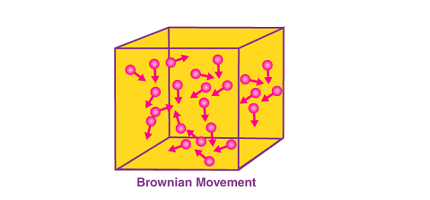
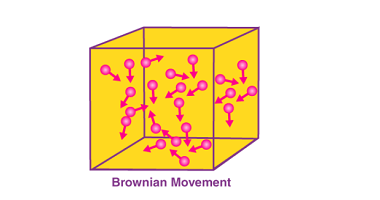
Brownian movement Brownian movement, also known as Brownian motion, is the random motion of microscopic particles suspended in a fluid (liquid or gas). It was first observed by the botanist Robert Brown in 1827 and later explained by Albert Einstein in 1905. Brownian movement occurs due to the continuous collision of the fluid molecules with…

Advance Course AIIMS-SYLLABUS Chemistry syllabus Enzyme Catalysis

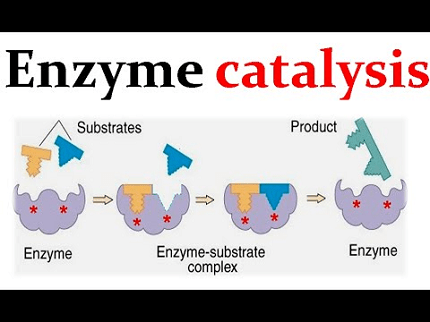
Enzyme Catalysis Enzyme catalysis refers to the process by which enzymes accelerate and facilitate chemical reactions in living organisms. Enzymes are specialized proteins that act as biological catalysts, increasing the rate of specific biochemical reactions without being consumed in the process. Key concepts related to enzyme catalysis include: Understanding enzyme catalysis is crucial in many…

Advance Course AIIMS-SYLLABUS Chemistry syllabus Chemisorption

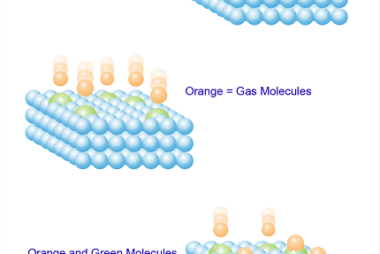
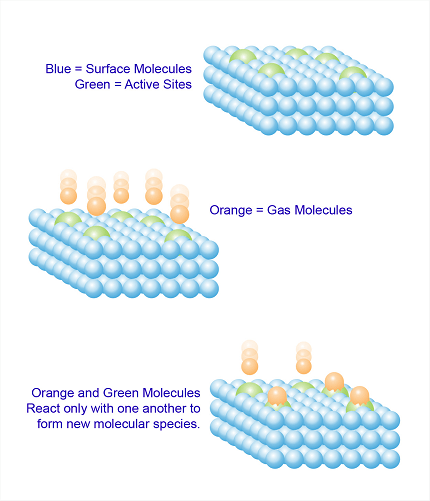
Chemisorption Chemisorption is a process of adsorption in which a chemical reaction occurs between the adsorbate (molecules or atoms being adsorbed) and the surface of the adsorbent (the material on which adsorption takes place). It involves the formation of chemical bonds between the adsorbate and adsorbent, resulting in the creation of a new compound or…

Advance Course AIIMS-SYLLABUS Chemistry syllabus Adsorption

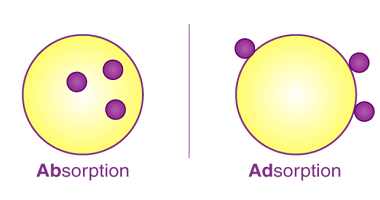
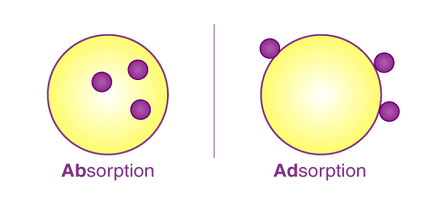
Adsorption The AIIMS (All India Institute of Medical Sciences) entrance exam for Chemistry does not have a specific syllabus topic for Adsorption. However, a general understanding of the concept of adsorption may be helpful in some areas of Chemistry. Here is a concise summary of the concept of adsorption: Adsorption refers to the process in…

Advance Course AIIMS-SYLLABUS Chemistry syllabus Surface Chemistry

Surface Chemistry Surface Chemistry is a branch of chemistry that deals with the study of phenomena occurring at the interface of two phases, such as solid-gas, solid-liquid, or liquid-gas. It focuses on the behavior and properties of surfaces, interfaces, and the interactions that take place at these boundaries. Key topics covered in Surface Chemistry include:…

Advance Course AIIMS-SYLLABUS Chemistry syllabus Molecularity of a reaction

Molecularity of a reaction The molecularity of a reaction refers to the number of molecules or particles that participate as reactants in an elementary reaction. It is a concept used in chemical kinetics to describe the overall reaction rate and mechanism. Molecularity can have values of 1, 2, or 3, representing unimolecular, bimolecular, and termolecular…

Advance Course AIIMS-SYLLABUS Chemistry syllabus Catalyst

Catalyst A catalyst is a substance that increases the rate of a chemical reaction by providing an alternative reaction pathway with lower activation energy. It participates in the reaction but is not consumed or permanently altered in the process, allowing it to be used repeatedly. Catalysts can facilitate reactions by providing a surface for the…

Advance Course AIIMS-SYLLABUS Chemistry syllabus Factors affecting the rate of a reaction

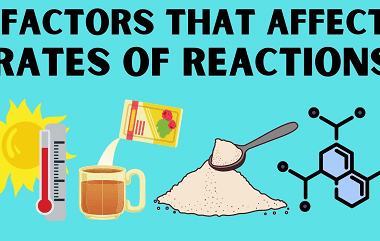
Factors affecting the rate of a reaction Several factors can affect the rate of a chemical reaction: It’s important to note that the influence of each factor may vary depending on the specific reaction and the conditions in which it occurs. The factors affecting the rate of a chemical reaction, as covered in the AIIMS…

Advance Course AIIMS-SYLLABUS Chemistry syllabus Rate of a reaction

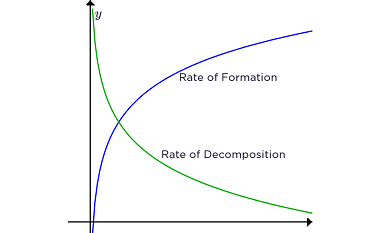
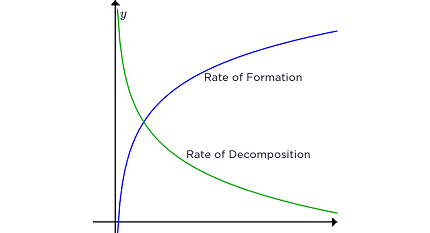
Rate of a reaction The rate of a reaction refers to how quickly a chemical reaction occurs, specifically the change in concentration of reactants or products over time. It is often expressed as the rate of disappearance of a reactant or the rate of formation of a product. The rate of a reaction can be…