Vrindawan Coaching Center

Group 17 Properties

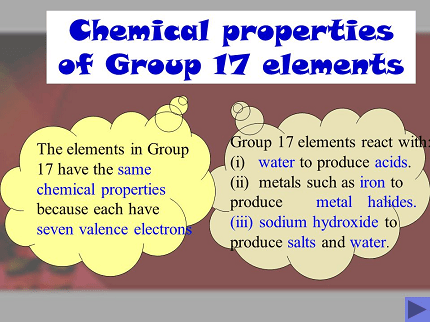
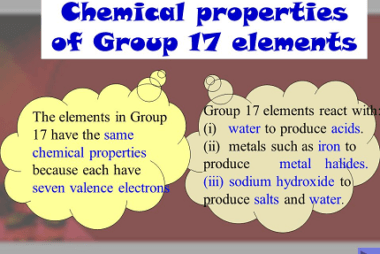
Group 17 of the periodic table, also known as the halogens, consists of the elements fluorine (F), chlorine (Cl), bromine (Br), iodine (I), and astatine (At). Here are some of their general properties: Overall, the halogens are a highly reactive group of elements with a variety of chemical properties. What is Required p-Block Elements Group…
Group 17 Preparation/Manufacture

Group 17 of the periodic table, also known as the halogens, consists of five non-metallic elements: fluorine, chlorine, bromine, iodine, and astatine. Here are some general methods for the preparation and manufacture of these elements: Fluorine: Fluorine is the most reactive of all the halogens and is typically produced by the electrolysis of a mixture…

Group 17 Oxygen and Metals

Group 17 of the periodic table is known as the halogens, and includes elements such as fluorine, chlorine, bromine, iodine, and astatine. Oxygen, on the other hand, is in Group 16, also known as the chalcogens. Oxygen is a nonmetal, whereas the halogens are all nonmetals except for astatine, which is a metalloid. These elements…

Group 17 Reactivity towards hydrogen

Group 17 of the periodic table, also known as the halogens, includes elements such as fluorine (F), chlorine (Cl), bromine (Br), iodine (I), and astatine (At). The reactivity of these elements towards hydrogen depends on a few factors, including their electronegativity, atomic size, and their ability to form hydrogen bonds. Fluorine, being the most electronegative…

Group 16 Oxoacids of sulfur

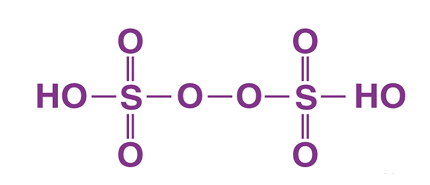
Sulfur forms a variety of oxoacids, which are acids that contain oxygen and sulfur. There are several oxoacids of sulfur, but the most common ones are the Group 16 oxoacids of sulfur, which include sulfuric acid, sulfurous acid, thiosulfuric acid, and dithionic acid. All of these oxoacids of sulfur have important industrial and commercial applications,…

Group 16 Sulfuric acid

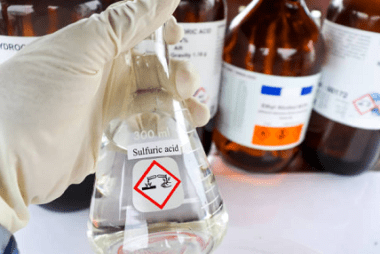
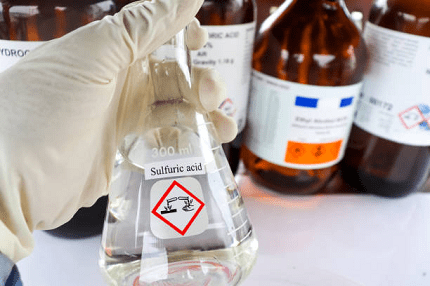
Sulfuric acid, chemical formula H2SO4, is a strong and highly corrosive acid that is commonly used in a wide range of industrial processes. It is a dense, oily liquid that is colorless when pure, and it is often referred to as battery acid due to its use in lead-acid batteries. Sulfuric acid has a wide…

Group 16 Sulfur dioxide

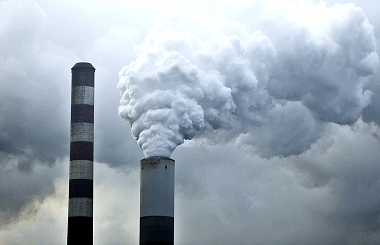
Sulfur dioxide (SO2) is a colorless gas with a pungent odor that is formed by burning sulfur-containing fuels, such as coal and oil, and from volcanic activity. It is a major air pollutant, and exposure to high levels of SO2 can have harmful effects on human health, including respiratory problems and irritation of the eyes,…

Group 16 Ozone

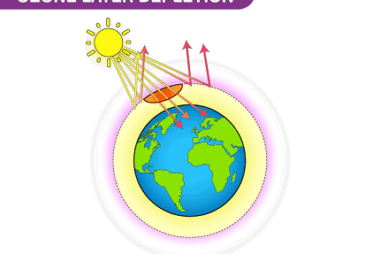
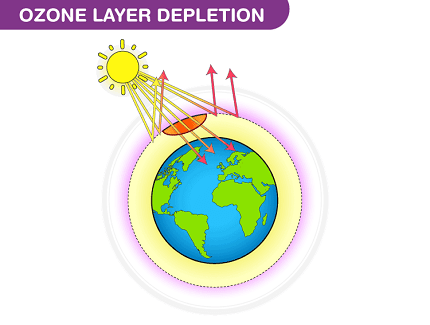
Ozone, or trioxygen, is a chemical compound with the molecular formula O3. It is a pale blue gas with a pungent odor and is found in both the Earth’s atmosphere and in the ozone layer. The ozone layer is a region in the Earth’s stratosphere that contains a high concentration of ozone molecules. This layer…

Group 16 Uses of dioxygen

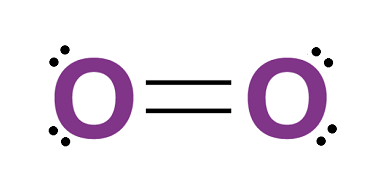
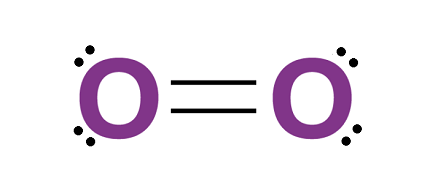
Dioxygen, also known as molecular oxygen or simply oxygen, is a gas that makes up about 21% of Earth’s atmosphere. It is an essential element for life as we know it, and has many important uses in various fields. Here are some of the uses of dioxygen: Overall, dioxygen is an incredibly versatile element that…

Group 16 Properties

Group 16 of the periodic table is also known as the chalcogens. It consists of the elements oxygen (O), sulfur (S), selenium (Se), tellurium (Te), and the synthetic element polonium (Po). Here are some general properties of Group 16 elements: What is Required p-Block Elements Group 16 Properties The p-block elements of Group 16 are…