Vrindawan Coaching Center

Advance Course AIIMS-SYLLABUS Physics syllabus Electromagnetic Spectrum

Electromagnetic Spectrum The electromagnetic spectrum is the range of all possible frequencies of electromagnetic radiation. It encompasses a wide range of wavelengths and includes various types of electromagnetic waves, each with its own unique properties and applications. The electromagnetic spectrum is divided into different regions based on the wavelength or frequency of the waves. These…

Advance Course AIIMS-SYLLABUS Physics syllabus Characteristics

Characteristics Certainly! Here are some characteristics of the AIIMS advanced course physics syllabus: Remember that the characteristics mentioned here are general in nature, and the specific syllabus for the AIIMS advanced course may have some variations depending on the year and the exam conducting authority. The AIIMS (All India Institute of Medical Sciences) entrance exam…

Advance Course AIIMS-SYLLABUS Physics syllabus Displacement current

Displacement current Displacement current is a concept in electromagnetism that was introduced by James Clerk Maxwell in his equations describing the behavior of electric and magnetic fields. It is a term used to explain the relationship between changing electric fields and magnetic fields. Displacement current arises when there is a time-varying electric field in a…

Advance Course AIIMS-SYLLABUS Physics syllabus Electromagnetic waves

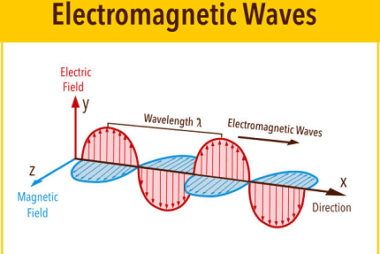
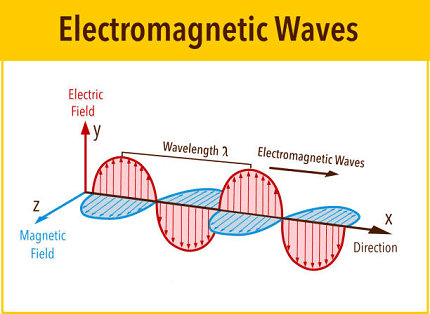
Electromagnetic waves Electromagnetic waves are a fundamental concept in physics that describe the propagation of electromagnetic radiation through space. They consist of oscillating electric and magnetic fields that are perpendicular to each other and to the direction of wave propagation. Here are some key points about electromagnetic waves: Understanding electromagnetic waves is crucial in fields…

Advance Course AIIMS-SYLLABUS Physics syllabus Transformer

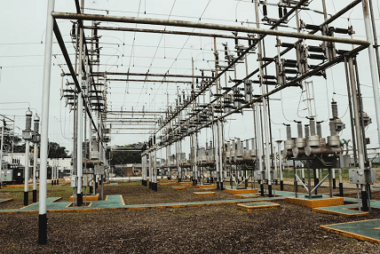
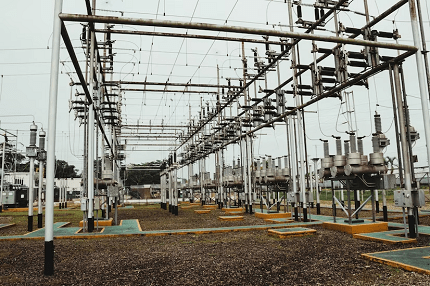
Transformer A transformer is an electrical device used to transfer electrical energy between two or more circuits through electromagnetic induction. It consists of two or more coils of wire, called the primary and secondary windings, that are wound around a common core. Key points about transformers: It’s important to note that transformers are a broad…

Advance Course AIIMS-SYLLABUS Physics syllabus AC Generator

AC Generator An AC generator, also known as an alternator, is a device that converts mechanical energy into electrical energy in the form of alternating current (AC). It is commonly used in power plants and electric generators. Key components and working principle of an AC generator: AC generators play a crucial role in providing electrical…

Advance Course AIIMS-SYLLABUS Physics syllabus Power in AC circuits

Power in AC circuits Power in AC (alternating current) circuits is a key concept that relates to the flow of electrical energy. In AC circuits, the voltage and current alternate periodically, resulting in a sinusoidal waveform. The instantaneous power in an AC circuit can be calculated using the following formula: Instantaneous power (P) = Voltage…

Advance Course AIIMS-SYLLABUS Physics syllabus LCR Series circuit

LCR Series circuit An LCR series circuit is an electrical circuit that consists of three components connected in series: an inductor (L), a capacitor (C), and a resistor (R). Here are some important aspects of an LCR series circuit: Understanding these aspects of an LCR series circuit is important for analyzing its behavior, calculating parameters…

Advance Course AIIMS-SYLLABUS Physics syllabus Mutual Inductance

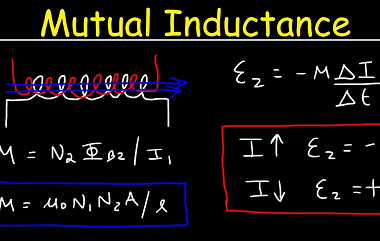
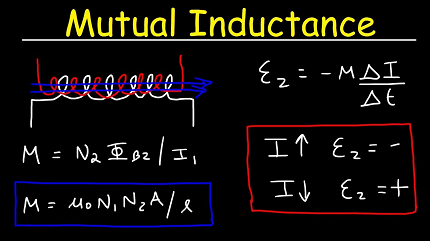
Mutual Inductance Mutual inductance is a phenomenon that occurs when two or more coils of wire are placed close to each other. It describes the ability of one coil to induce an electromotive force (emf) in another coil through the changing magnetic field produced by the current flowing in the first coil. The mutual inductance,…

Advance Course AIIMS-SYLLABUS Physics syllabus Lenz Law

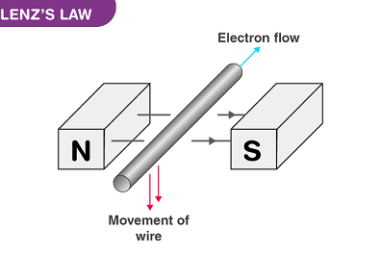
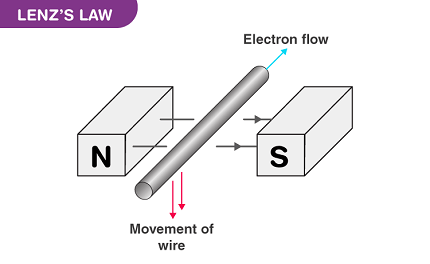
Lenz Law Lenz’s Law is a fundamental principle in electromagnetism that describes the direction of an induced current in a conductor when it is exposed to a changing magnetic field. It states that the induced current in a conductor will flow in a direction that opposes the change in magnetic flux that caused it. When…