Vrindawan Coaching Center

Advance Course AIIMS-SYLLABUS Physics syllabus Photoelectric effect

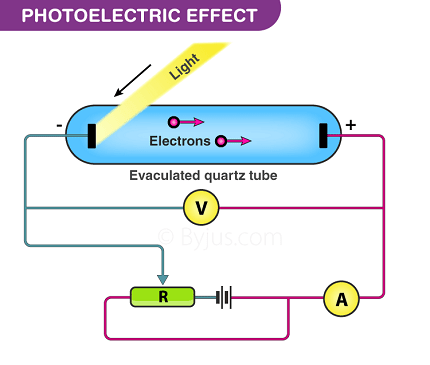
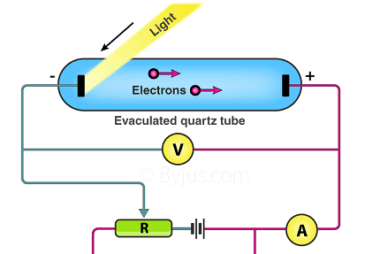
Photoelectric effect The photoelectric effect is a phenomenon in which electrons are emitted from a material when it is exposed to light or electromagnetic radiation. Here are some key points about the photoelectric effect: Understanding the photoelectric effect is crucial for explaining the interaction between light and matter and has significant implications in quantum physics…
Advance Course AIIMS-SYLLABUS Physics syllabus Dual Nature of Matter and Radiation

Dual Nature of Matter and Radiation The topic of “Dual Nature of Matter and Radiation” explores the wave-particle duality of both matter and electromagnetic radiation. It encompasses the following key concepts: Understanding the dual nature of matter and radiation is essential in fields such as quantum mechanics and modern physics. It has significant implications in…

Advance Course AIIMS-SYLLABUS Physics syllabus Diffraction concepts

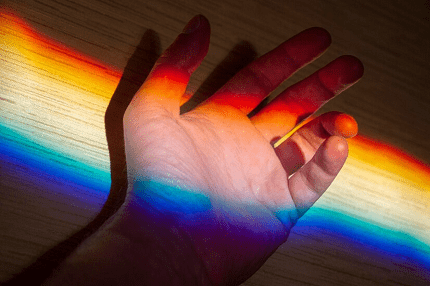
Diffraction concepts Diffraction is a fundamental concept in physics that describes the bending and spreading of waves as they encounter obstacles or pass through narrow openings. Here are some key concepts related to diffraction: These concepts form the foundation of understanding diffraction phenomena across various fields of science and have applications in optics, acoustics, spectroscopy,…

Advance Course AIIMS-SYLLABUS Physics syllabus Telescopes

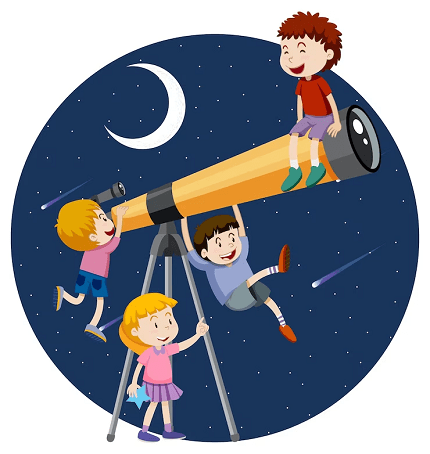
Telescopes Telescopes are optical instruments designed to observe distant objects, particularly celestial objects in the night sky. They collect and amplify light, allowing astronomers and researchers to study objects that are too far or too faint to be seen with the naked eye. Telescopes can be broadly categorized into two types: refracting telescopes and reflecting…

Advance Course AIIMS-SYLLABUS Physics syllabus Microscope

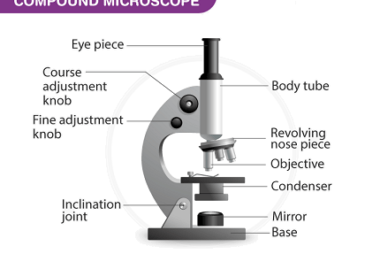
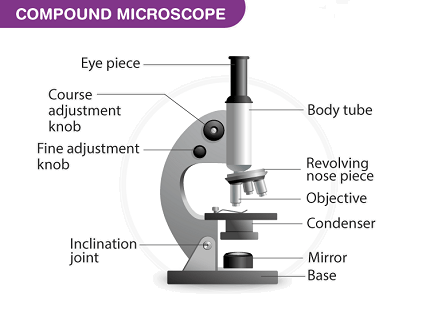
Microscope A microscope is an optical instrument used to observe and magnify tiny objects that are otherwise difficult to see with the naked eye. It consists of several components that work together to produce a magnified image of the specimen being observed. The two main types of microscopes are optical microscopes and electron microscopes. Optical…

Advance Course AIIMS-SYLLABUS Physics syllabus Scattering of light

Scattering of light Scattering of light refers to the phenomenon where light rays deviate from their original path due to interactions with particles or objects in its path. It occurs when light encounters objects that are smaller than the wavelength of the incident light. The scattering process can be influenced by various factors, such as…

Advance Course AIIMS-SYLLABUS Physics syllabus Refraction of light

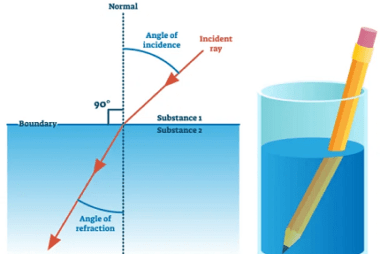
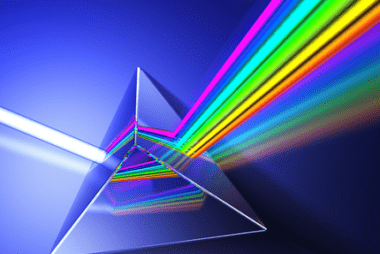
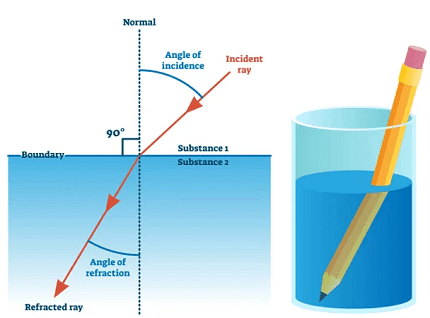
Refraction of light Refraction of light refers to the bending of light as it passes from one medium to another, such as from air to water or from air to glass. This phenomenon occurs due to the change in the speed of light as it enters a different medium. The key principles of refraction are…

Advance Course AIIMS-SYLLABUS Physics syllabus Spherical Mirrors

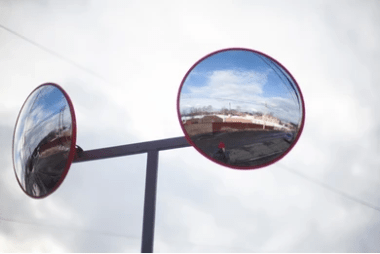
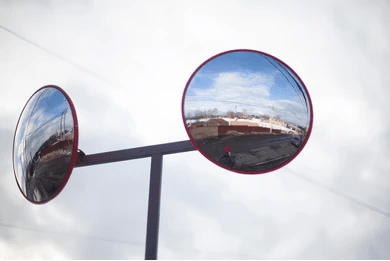
Spherical Mirrors Spherical mirrors are curved mirrors that have a spherical shape. They are classified into two types: concave mirrors and convex mirrors. Understanding the properties, ray diagrams, mirror formula, and mirror equation associated with concave and convex mirrors is crucial to analyze the formation of images and their characteristics. The physics syllabus for spherical…

Advance Course AIIMS-SYLLABUS Physics syllabus Reflection of light

Reflection of light Reflection of light refers to the bouncing back of light when it encounters a surface. It follows the law of reflection, which states that the angle of incidence is equal to the angle of reflection, with both angles measured with respect to the normal (a line perpendicular to the surface at the…

Advance Course AIIMS-SYLLABUS Physics syllabus Optics

Optics Optics is a branch of physics that deals with the study of light and its behavior. It focuses on understanding how light interacts with various objects and materials. Optics can be divided into two main branches: Optics has wide-ranging applications in various fields, including astronomy, photography, medicine (such as in ophthalmology and microscopy), telecommunications…